Galaxy

Galaxy

Read the Galaxy Map like a route planner: node types, hot and cold systems, Ancestral Planet story threads and how Beyond These Stars continues Before We Leave.

9
Node Types
Hot / Cold
Climate
Opens gradually
Map

Introduction

The Galaxy Map opens as you journey with Kewa, and it does not open all at once. Unlocking travel grants access to a view that starts only partially visible, with stars appearing as nodes you can ask the whale to visit. Each node is a question rather than an answer: it might hold barren planets worth mining, space junk, strange objects, trade stations or aliens you can befriend, and the most valuable ones hide worlds that support Peep life and carry resources you will never find on Kewa at all. Nothing is identified until a Scout Ship looks, which means the map is genuinely exploratory — you are deciding what a star is worth rather than reading it off a tooltip. Systems also carry their own climate, and because Kewa’s mood suffers while sitting in a hot galaxy, where you park the whale is a decision with a consequence attached. Underneath all of that runs the story: the shared history of the galaxy and the Space Whales threads through the journey, and the game is a follow-up to Before We Leave, so some of what you find answers questions the earlier title left open.

Galaxy Map Node Types

Node TypeWhat You FindBest Used For
Unscouted starOnly partial visibility until travel and a Scout Ship investigationDeciding where to send the next expedition rather than where to settle
Barren planetsResource deposits Kewa’s plate cannot supply, once mining infrastructure existsFeeding a production chain that has outgrown the whale’s surface
Settleable worldsPlanets that support Peep life and carry resources absent from KewaOutposts you intend to keep running across multiple voyages
Ancestral PlanetsLand belonging to the Peeps’ Ancestors, settled rather than takenStory progression, and understanding the galaxy’s shared history
Hot systemsWarmer star environments that erode Kewa’s happiness over timeShort, high-value errands you can finish before the mood meter becomes decisive
Cold systemsThe destination Kewa chooses when making an emergency journey away from heatUnderstanding where the whale relocates you if a hot-system stay runs long
Trade stationsInterstellar stops where goods change handsShortening an already-long outpost shipping route
Alien contactFactions you can befriend, with quests and discrete rewardsSpending a scouting detour on narrative and reward value rather than resources
Space junk / odditiesInvestigation results that are not settlementsStory threads, and the occasional find worth the journey

Reading the Galaxy Map

S

Galaxy Map Basics

Unlocking travel

How It OpensUnlocking travel with Kewa is what grants access to the Galaxy Map, and it does not arrive complete. You begin with a partial view and expand it by journeying.
How You Use ItStars appear as nodes you can ask Kewa to travel to, then investigate further with a Scout Ship before deciding whether anything there is worth working.
InteractionBecause travel is a request rather than a teleport, choosing a destination is also choosing where to park the whale, and that has consequences through the temperature system.
Practical ReadTreat the map as an itinerary rather than a supermarket. Each move costs time, and the nodes furthest from your current plans are usually the ones worth scouting early rather than late.
A

Node Types

What a star holds

SettlementsThe most valuable nodes hide planets that support Peep life and carry resources you cannot find on Kewa at all, which makes them the only nodes that justify a permanent outpost.
ExtractionBarren planets hold deposits, and they become useful once mining infrastructure exists, so their value is gated by your own technology rather than by the map.
Non-settlementsSpace junk, strange objects and similar findings are what make scouting a gamble; they sometimes reward the trip and sometimes simply cost you Scout Ship time.
RelationshipsTrade stations and alien contacts pay out in routing convenience and discrete rewards rather than resources, which makes them worth a detour but rarely worth a permanent commitment.
A

Hot & Cold Systems

Climate as a clock

Hot SystemsStaying too long in a hot galaxy drags Kewa’s happiness down, and at the far end of that curve the whale makes an emergency journey somewhere colder on their own initiative.
Cold SystemsThey are where Kewa takes you when heat becomes intolerable, which is worth knowing in advance because it relocates your whole civilisation rather than just the whale.
Why It MattersOutpost work is a timed project, so a system you cannot afford to park in for long is a system you should not start a long build-out in without front-loading the expensive parts.
Practical ReadRead the climate before you commit, and treat a hot system as an errand you want finished this visit rather than a base of operations.
A

Ancestral Planets

History in the ground

What They AreSettleable worlds that belonged to the Peeps’ Ancestors, which is why settling them reads as reclaiming old ground rather than displacing anyone.
Narrative RoleThe shared history of the galaxy and the question of what happened to the Ancestors run through these worlds, and the story threads recur across the campaign.
Mechanical RoleThey behave as settleable planets, so the practical difference is context rather than logistics, but their story weight makes scouting them early worthwhile.
Sequel LinkBecause Beyond These Stars follows Before We Leave, some of what you uncover here answers questions the earlier game left open for returning players.
A

Hot & Cold Travel

Climate routing

Hot SystemsWarmer star environments erode Kewa’s happiness while you stay in them, so a hot node is a place to finish an errand rather than a place to base a long project.
Cold SystemsThey are where Kewa relocates when heat becomes intolerable, and because the move is the whale’s decision it can arrive before your outpost work is finished.
What It ChangesRouting stops being purely about distance and starts being about dwell time, which means a slightly further but cooler star can be the better destination for a build-out.
Practical ReadCheck a system’s climate before you commit to anything expensive there, and treat every warm node as a place you visit rather than occupy.
B

Space Junk & Oddities

The exploration gamble

What They AreInvestigation results that are not settlements: space junk, strange objects and similar findings that occasionally carry salvage or story value instead of resources.
Why They MatterThey are the reason a Scout Ship order has an opportunity cost. Not every unidentified node in the Solar System View turns out to be worth the journey.
The UpsideSome of the story threads about the galaxy’s shared history and the Space Whales run through exactly these oddities, which is what makes investigating them feel worthwhile rather than merely random.
Practical ReadBudget scouting time for a few unproductive nodes and you will stop treating an empty result as a mistake rather than as part of the loop.
B

Trade Stations & Aliens

Relationship nodes

Trade StationsInterstellar stops where goods change hands. They shorten an already-long outpost shipping route, which is where their value shows up rather than in the station itself.
Alien ContactFactions you can befriend, with quests and rewards attached. Unlike a mining outpost they pay in discrete rewards rather than in a resource flow, so they need no permanent route.
Shared ConstraintAnything you build a relationship with lives in a system Kewa may eventually leave, so neither type is immune to the departure clock that governs the rest of your off-world work.
How To Approach ItTreat contacts and stations as worthwhile detours on the way to a resource objective, since the travel cost is identical and neither reward compounds the way a working outpost does.
A

Story & Lore Threads

Why the map matters narratively

What Threads RunThe shared history of the galaxy, what happened to the Peeps’ Ancestors, and the broader story of the Space Whales all surface as you explore rather than being delivered up front.
Where They SurfaceAncestral Planets carry the heaviest of it, with oddities and contacts filling in around the edges of the same history.
Why It Is AuthoredBecause these threads are designed content rather than generated content, they remain stable across runs, which is what lets the galaxy feel coherent even when its topology changes.
Practical ReadScouting is the only way to uncover any of it, so a campaign that never explores widely will finish with most of the narrative still untouched.
C

Multiple Playthroughs

Second run value

What ChangesTopology and node contents carry an element of generation, so a second run presents different stars to investigate and different worlds to settle.
What StaysCategories, Ancestral Planets and the story threads are authored, so the framework you learned in your first run still applies rather than resetting.
Replay PostureSandbox Mode lets a second campaign test an entirely different approach — mining the plate hard, or preserving the biome and buying everything in from off-world.
Practical ReadPlan around categories rather than positions on a second run, since category knowledge transfers between campaigns and specific star layouts do not.
B

Procedural Galaxy

How fixed is it?

What VariesThe layout of stars and the contents of individual nodes carry an element of generation, and Sandbox Mode lets you set how many planets exist and what each one offers.
What Does NotNode categories, the identity of Ancestral Planets and the story threads they carry are designed content, so the narrative framework is stable across runs.
Why It MattersIt means route knowledge transfers between campaigns even when topology does not, so learning which node types justify a trip is reusable in a way that memorising a specific map is not.
Practical ReadPlan around categories rather than positions. Knowing that settlement nodes and relationship nodes behave differently is more useful than any particular star layout.
B

Replay & Comparison

Second campaigns

Replay ValueBecause traversal is generative and Sandbox Mode exposes the dials, a second campaign can test an entirely different posture — mining the plate hard, or preserving the biome and buying in everything else.
Comparison To Before We LeaveThe earlier game shares the Peeps and some building names, but the developers describe this as a very large quality-of-life leap rather than an expansion, so the map layer here is the more developed of the two.
Shared VocabularyHut, Garden, Water Pump and Compost appear in both games, which makes cross-referencing tempting and occasionally misleading, because the systems around them differ.
Practical ReadReturning players should treat familiar names as vocabulary rather than as mechanics, and expect the galaxy, terraforming and Kewa layers to be new ground.

Core Mechanics

The Galaxy Map is an information system before it is a travel system. Travel unlocks it, but it arrives partially visible, and individual nodes stay unidentified until a Scout Ship investigates — including whether a planet can be settled at all. So the map’s real currency is Scout Ship time, spent converting unknowns into options. What you find falls into a small number of categories that behave differently: settlement nodes justify permanent outposts, deposit nodes need mining infrastructure before they are worth anything, relationship nodes pay out in rewards rather than resources, and oddities may pay out in story instead of either. On top of the content layer sits a climate layer. Systems carry their own temperature, and because Kewa’s mood degrades while parked in a hot one, where you travel is also how long you will be allowed to stay there. Underneath both layers runs the narrative: Ancestral Planets and the Space Whale history threads are designed content rather than generated content, so they are the stable spine of an otherwise variable galaxy.

Advantages

The map layer gives the campaign a horizon. Because travel extends beyond Kewa’s plate into a galaxy that opens gradually, there is always somewhere unexamined, and the map never resolves into a solved checklist the way a fixed scenario can. The uncertainty is doing real work too: because nothing is identified until a Scout Ship looks, every expedition is a decision with an opportunity cost rather than a formality, which keeps exploration interesting well past the point where most builders have revealed everything. Climate adds a second dimension to routing that most games of this type never touch — choosing where to park the whale is choosing how long you have, which makes the map a scheduling tool rather than just a destination list. And because the Ancestral Planet and Space Whale threads are authored rather than generated, the galaxy stays narratively coherent even when its topology changes between runs.

Challenges

The map’s costs land in two places. First, scouting is a bottleneck: nothing can be planned around a world you have not investigated, and investigation takes Scout Ship time that may come back with space junk rather than a settlement. Second, the climate layer means your plans are partly subject to a mood meter you cannot fully see, since the game does not publish the happiness threshold at which Kewa decides to leave. That combination makes long outpost projects in warm systems a calculated risk rather than a plan, and the mitigation — front-loading infrastructure — is a hedge rather than a fix. There is also a knowledge asymmetry for returning players: the shared vocabulary with Before We Leave invites assumptions about mechanics that do not hold here, and the developers frame the newer game as a large quality-of-life leap rather than a direct continuation.

Frequently Asked Questions

How do I unlock the Galaxy Map?+
Travel unlocks with Kewa, and that is what grants access to the Galaxy Map. It arrives only partially visible rather than as a revealed map, and individual stars remain nodes until you travel to them and investigate with a Scout Ship. The practical implication is that the map is something you build up across a campaign rather than something you consult: early on you are choosing where to look rather than choosing between known options. Because travel is requested from Kewa rather than initiated freely, unlocking the map also means you are now deciding where to park the whale, which matters because system temperature affects Kewa’s happiness over time.
Is the galaxy procedurally generated?+
Partly. The layout of stars and the contents of individual nodes carry an element of generation, and Sandbox Mode lets you configure how many planets exist and what resources and biome each one carries. What is not generated is the authored layer: node categories, the identity of Ancestral Planets and the story threads about the Space Whales and the galaxy’s shared history are designed content and remain stable across runs. That mix is good news for learning, because route knowledge transfers even when specific positions do not — knowing which node types justify an expedition is reusable in a way that memorising a particular star map never would be.
What is the difference between hot and cold galaxies?+
Systems carry their own climate, and that affects Kewa rather than your buildings directly. Staying too long in a hot galaxy drags Kewa’s happiness down, and the game states that at the extreme the whale will make an emergency journey somewhere colder on their own initiative. A cold system is therefore the destination Kewa chooses rather than one you necessarily pick, which matters because the move relocates your whole civilisation and can strand outpost work in progress. In practice this makes hot systems short, high-value errands: a good place to finish a small objective, and a bad place to start a long build-out unless you have front-loaded the expensive parts.
How is this connected to Before We Leave?+
Beyond These Stars is a follow-up to Before We Leave from the same studio, and the two games share the Peeps as a species along with several building names such as Hut, Garden, Water Pump and Compost. The composer Benedict Nichols returned for this project as well. The developers do not frame the newer game as an expansion, though — they describe it as a very large quality-of-life step forward, so the shared vocabulary is closer to a family resemblance than a mechanical continuity. Kewa, the terraforming system and the outpost layer are all new here, and story threads about the Ancestors and the Space Whales pick up questions the earlier game left open.

Quick Tips

💡

Spend Scout Ship time ahead of your production needs rather than in response to them. Nothing in the galaxy is identified until a Scout Ship investigates it, including whether a planet can be settled at all, so knowing where the settlement-grade worlds are lets you plan an expansion instead of reacting to a shortage you already have.

💡

Read a system’s climate before you decide to work it. Staying too long in a hot galaxy drags Kewa’s happiness down, and at the far end of that curve the whale leaves on their own initiative, which can strand an outpost build in progress and turn a carefully planned project into an abandoned one.

💡

Treat unproductive nodes as a real but acceptable cost rather than as a mistake you made. Space junk and strange objects are what make scouting a genuine gamble, and the occasional story payoff from an oddity is part of the same exploration loop that eventually produces the settlement worlds worth working.

💡

Plan around node categories rather than specific star positions on the map. The topology carries an element of generation while the node categories and the story content are authored, so knowing how settlement nodes and relationship nodes behave differently transfers between campaigns whereas memorising one particular star layout does not.

💡

Do not start a long outpost build-out in a warm system. Climate pressure accumulates while you sit there, so either finish the expensive infrastructure first or pick a cooler system for the project, because a forced departure costs you whatever is still under construction rather than a fixed penalty you can budget for.

All Articles

Beyond These Stars Star Types: Hot, Cold & Galaxy Climate

Beyond These Stars Star Types: Hot, Cold & Galaxy Climate

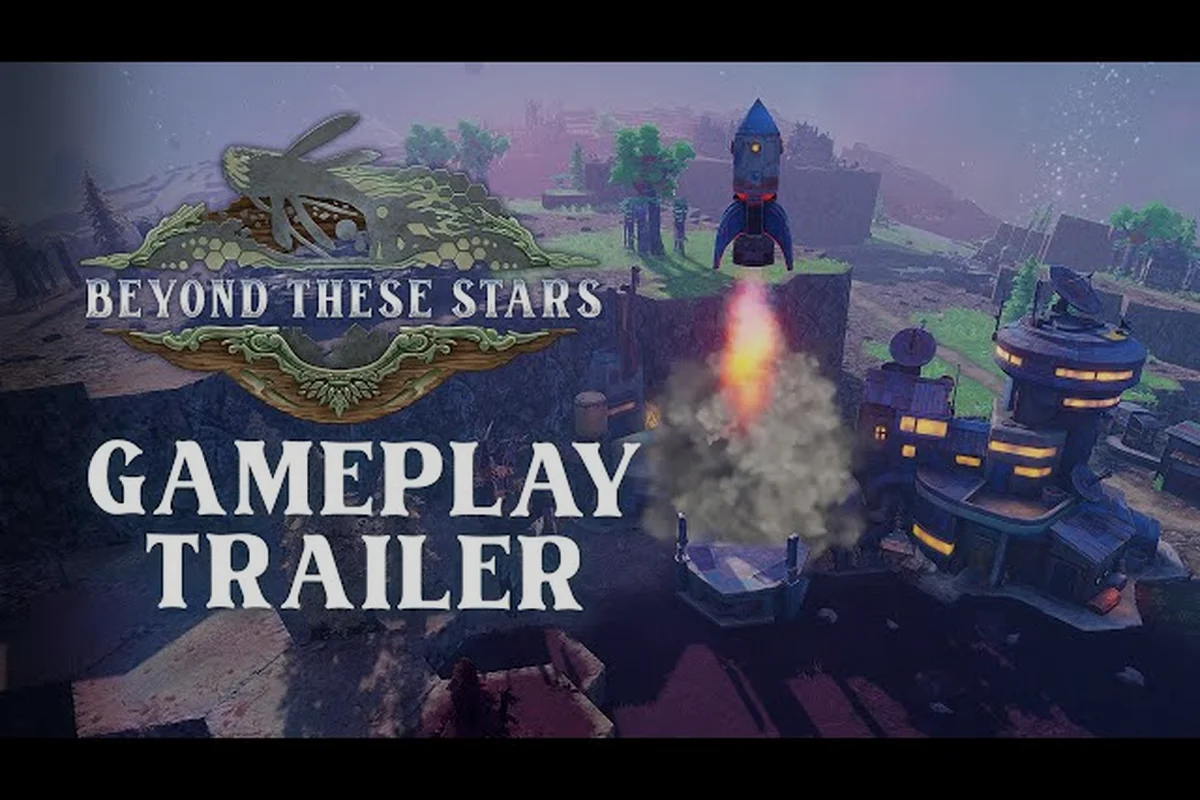
Explore Beyond These Stars star types and galaxy climate zones, and see how hot and cold systems shape travel when you settle the galaxy on Kewa.
beyond these stars star typesbeyond these stars hot galaxybeyond these stars cold galaxybeyond these stars climate zones
Read More →
Beyond These Stars Before We Leave Connections & Shared DNA

Beyond These Stars Before We Leave Connections & Shared DNA

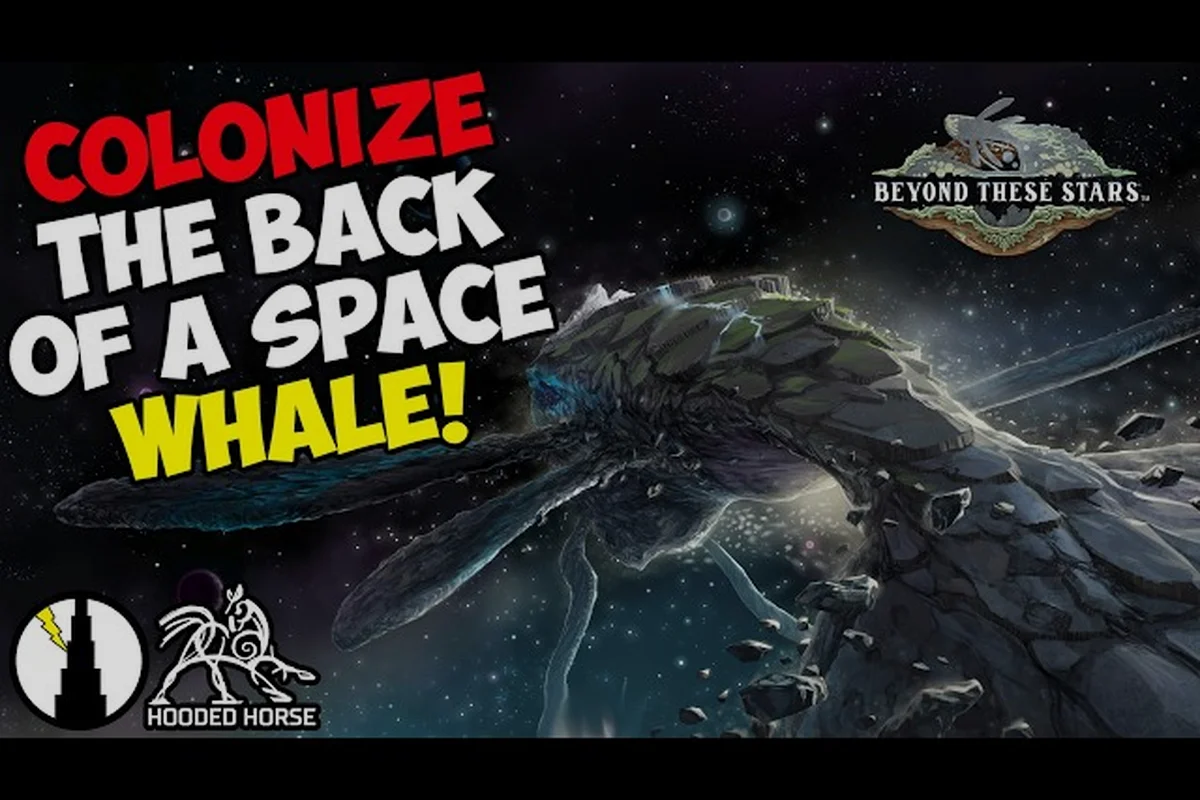
Explore the Beyond These Stars Before We Leave connections — shared mechanics, design DNA, and the quality-of-life features that link the two cozy city builders.
beyond these stars before we leave connectionsbeyond these stars before we leave differencesbeyond these stars before we leave comparisonbeyond these stars what is new
Read More →
Beyond These Stars Seed Guide: World Seeds, Scouting & Lore

Beyond These Stars Seed Guide: World Seeds, Scouting & Lore

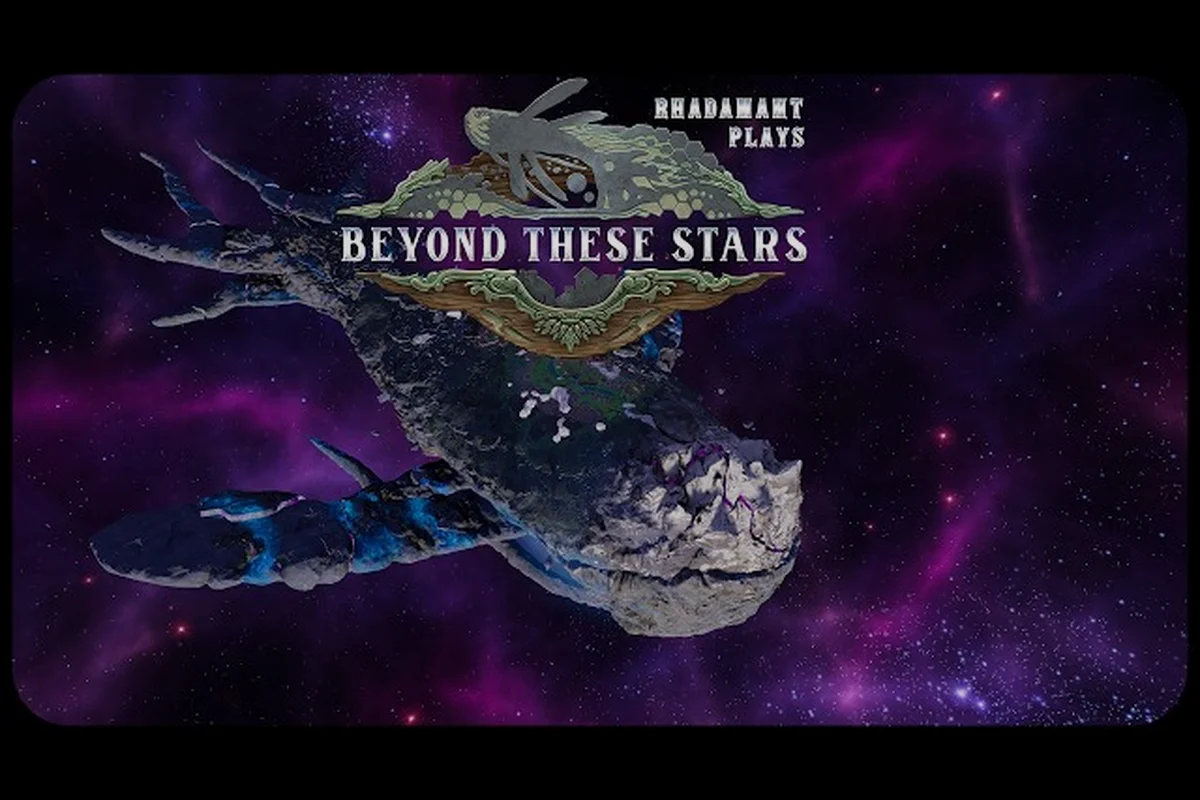
Shape your run with this Beyond These Stars seed guide covering world seeds, scouting priorities, exploration rewards, and lore connections.
beyond these stars seed guidebeyond these stars world seedbeyond these stars exploration tipsbeyond these stars what to scout first
Read More →
Beyond These Stars What Happened to the Ancestors: Peep Lore

Beyond These Stars What Happened to the Ancestors: Peep Lore

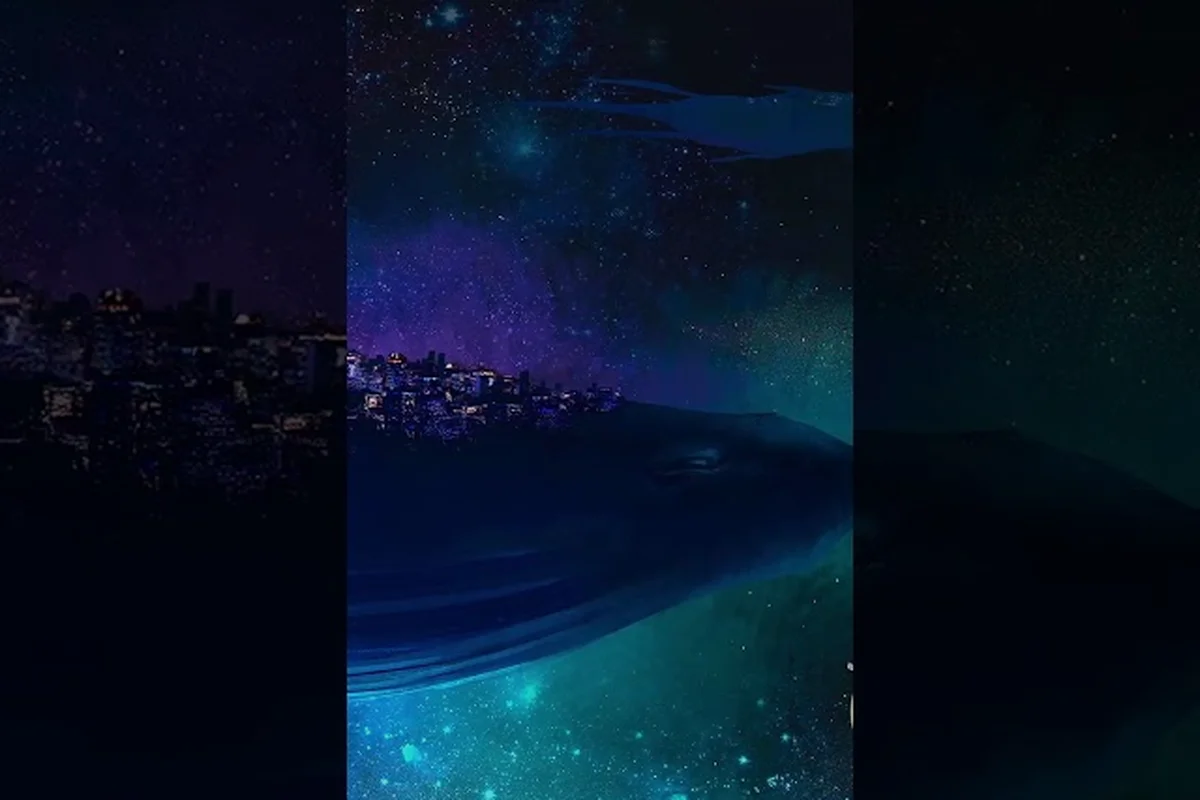
Uncover the mystery of the Peep ancestors and the deep lore of Kewa, the ancient space whale your people once called home.
beyond these stars what happened to the ancestorsbeyond these stars ancestors lorebeyond these stars peep ancestorsbeyond these stars mystery guide
Read More →
Beyond These Stars Maps: Sectors, Discoveries & Secrets

Beyond These Stars Maps: Sectors, Discoveries & Secrets

Navigate every beyond these stars maps layout — explore sectors, uncover hidden discoveries, and find the secrets that boost replayability across fresh runs.

beyond these stars mapsbeyond these stars sectorsbeyond these stars discoveriesbeyond these stars replayability
Read More →

Explore More