
Peeps
Happiness, energy, shifts and the strike system explained: stop walkouts early, trigger Fairground celebrations, treat sickness at the Apothecary and manage mourning.
Introduction
The Peeps are the people you are keeping alive, and they are opinionated. Happiness rises when they relax, eat, drink or spend time near decorative buildings, and falls while they work, while they cross polluted tiles and while they go without a bed. Energy works on a slower clock, and low energy raises the chance a Peep falls sick at the start of a shift; the Apothecary produces items that help them recover. Push the whole colony too hard and the unhappy share crosses a threshold, at which point they strike — production lines halt and the strikers park themselves in the way of the Peeps still working. Each strike opens with a goal tied to its root cause, and completing that goal ends the walkout early. Get it right the other way round and the same system rewards you: when enough Peeps in one place sit above a high happiness threshold they throw a Celebration at the Fairground, handing out production, movement and sickness bonuses. Happiness is not a score here. It is the throttle on your entire economy.
Peep Wellbeing & Behaviour Systems
| System | Trigger | What Happens |
|---|---|---|
| Happiness | Rises while relaxing, eating, drinking or near decorations; falls while working or crossing polluted tiles | Sets the colony’s productivity floor and decides whether the next system fires |
| Energy | Depletes over a working period and is restored by rest | Low energy at the start of a shift raises the chance that Peep falls sick |
| Sickness | Checked when a shift begins, weighted by current energy | Sick Peeps stop contributing, and the Apothecary makes the items that speed recovery |
| Strike | Enough unhappy Peeps at once | Production lines halt and strikers block the routes of Peeps still working |
| Strike goal | Opens with every strike, tied to its root cause | Completing it ends the walkout early and shortens the next strike as well |
| Celebration | Enough Peeps in one place above a high happiness threshold | Fires at the Fairground and grants production, movement and sickness bonuses |
| Mourning | A Peep dies | A community response that affects the colony, so deaths carry a social cost beyond the lost worker |
Peep Systems & Behaviours
Happiness
The throttle
Strikes
Production halt
Strike Goals
Early resolution
Sickness & Energy
Attrition
Celebrations
The positive state
Mourning & Death
Community cost
Job Assignment
Control limit
Core Mechanics
Peep behaviour runs on two clocks and two thresholds. The fast clock is happiness: it rises when Peeps relax, eat, drink or spend time near decorative buildings, and falls while they work, while they cross polluted ground and while they lack a bed of their own. The slow clock is energy, which depletes across a working period and is checked when a shift begins to decide whether that Peep falls sick. The two intersect constantly, because a colony that stretches commutes or runs shifts hard loses both rest time and happiness at once. The two thresholds are the payoff: cross a high happiness line with enough Peeps gathered in one place and you get a Celebration at the Fairground with production, movement and sickness bonuses; let enough unhappy Peeps accumulate and you get a strike instead, which halts lines and physically obstructs the Peeps still working. Strikes arrive with a goal tied to their root cause, and resolving it ends the walkout early while shortening the next one, so the system is designed to teach rather than simply punish.
Advantages
The Peep systems make colony management feel like a relationship with a population rather than a throughput problem. Because happiness is an input to production rather than a scoreboard, the pleasant parts of the game are mechanically justified: decorations raise output, celebrations grant real buffs, and resolving a strike goal makes future walkouts shorter. That is an unusually generous design, since it means the fixes that feel good are also the ones the system rewards. The two-threshold structure is also elegant. The same happiness dial produces a strike at the bottom and a set of production, movement and sickness bonuses at the top, so there is a genuine positive state worth engineering rather than only a failure state to avoid. And because strikes announce their own root cause, the game hands you the diagnosis along with the problem instead of leaving you to reverse engineer it from a productivity graph.
Challenges
The largest frustration is control. You cannot assign a particular Peep to a particular job, and reviewers in the launch window named this directly, which means workforce allocation is solved indirectly through housing placement, commute length and pollution siting rather than by telling anyone what to do. The thresholds are also opaque. The developers have said the first strike lasts three shifts, but the happiness ratio that triggers a strike and the energy level that raises sickness risk are not published, so you learn the boundaries by watching the colony cross them. Sickness compounds quietly for the same reason: energy drains slowly enough that the problem surfaces as an unexplained productivity dip before it surfaces as an illness. And because mourning is a real system, a death costs more than a worker, which makes an unattended sickness problem more expensive than its headcount suggests.
Frequently Asked Questions
How do I make my Peeps happy?+
How do I stop a strike or end one early?+
Why do my Peeps keep getting sick?+
What triggers a Celebration and what does it give me?+
Quick Tips
Give every Peep a bed before you chase output, because homelessness is the single most common cause of a first strike and a strike halts the production lines you just built. Housing is not the reward for a working economy, it is the precondition for one, and retro-fitting beds after a walkout has already cost you the output you were chasing.
Treat the goal that opens a strike as a diagnosis rather than a chore. It is tied to the walkout’s root cause, so completing it both ends the strike early and shortens the next one, and the developers have said the first strike runs for three shifts. Reading that text tells you whether your real problem was housing, pollution or shift pressure.
Do not let industry sit between housing and work. Peeps lose happiness while crossing polluted and toxic tiles, so a factory sited on the obvious route between the two districts quietly taxes every commute in the settlement, and relocating it is cheaper than paying that tax for the rest of the campaign.
Shorten the distance between where Peeps sleep and where they work before you add a second Apothecary. Sickness starts with low energy at the beginning of a shift, and commute distance is the largest thing under your control that eats rest time, so the building treats symptoms while layout decides how often you need it.
If you want celebrations, cluster decorated space where Peeps already gather rather than scattering ornaments across the settlement. The trigger is a concentration of happy Peeps in one place, so a pleasant plaza near housing and food does more for your production, movement and sickness bonuses than the same decorations spread thinly over a wide area.
Featured

Beyond These Stars Who Are the Peeps: Lore, Names & Diet
Discover who the Beyond These Stars Peeps really are — explore their lore, meet Baz the Wanderer and Ublo, and learn what makes up a Peep's daily diet.
Beyond These Stars How to Stop Mourning After a Peep Dies
Learn beyond these stars how to stop mourning after a Peep dies: what raises sickness risk, how the Apothecary helps, and how a community recovers its mood.
Beyond These Stars Peep Happiness: Mood, Strikes & Celebrations
Master Beyond These Stars Peep happiness with this guide on mood mechanics, preventing strikes, and what triggers Fairground celebrations.
All Articles

Beyond These Stars Strikes: Causes, Goals & How to End Them
Handle Beyond These Stars strikes with this guide: learn why Peeps walk out, how a strike goal tied to its root cause ends it early, and what each shift costs you.
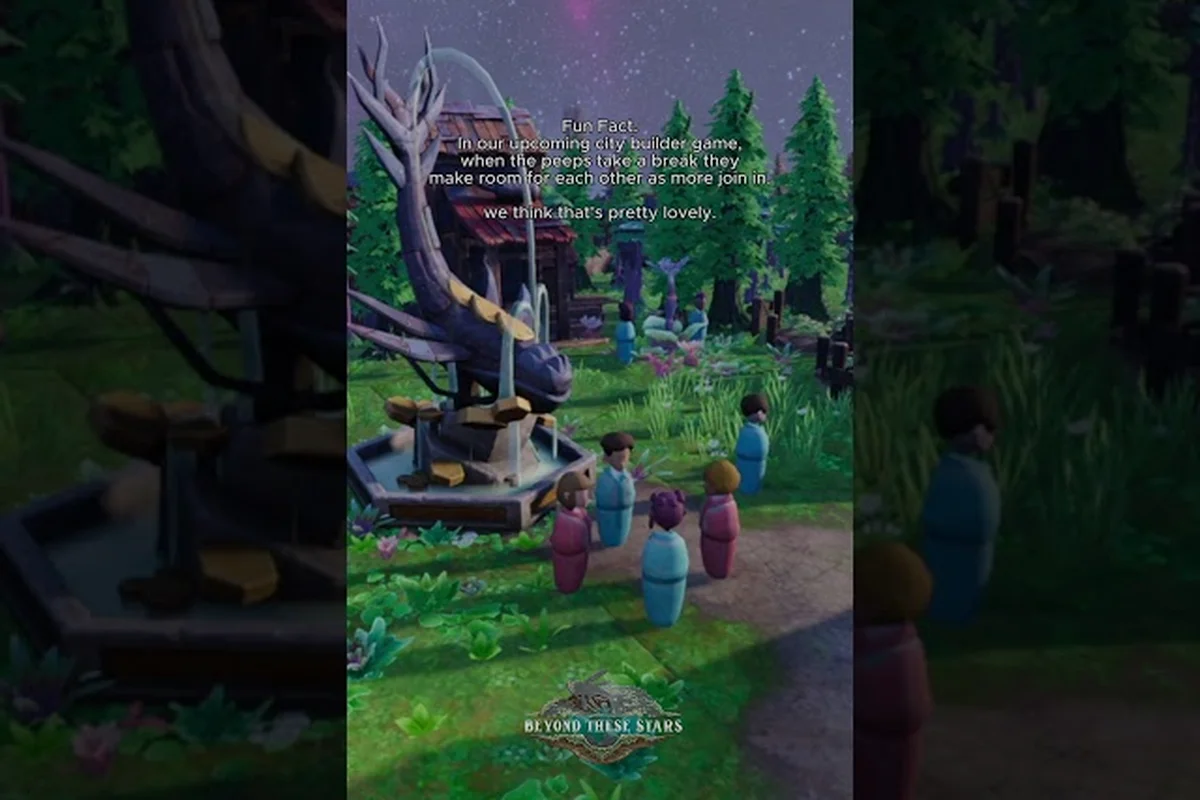
Beyond These Stars Peep Wellbeing: Energy, Healing & Sickness
Master Beyond These Stars Peep wellbeing — learn how to restore energy at shift start, heal sickness with the Apothecary, and stop Peeps from dying unexpectedly.
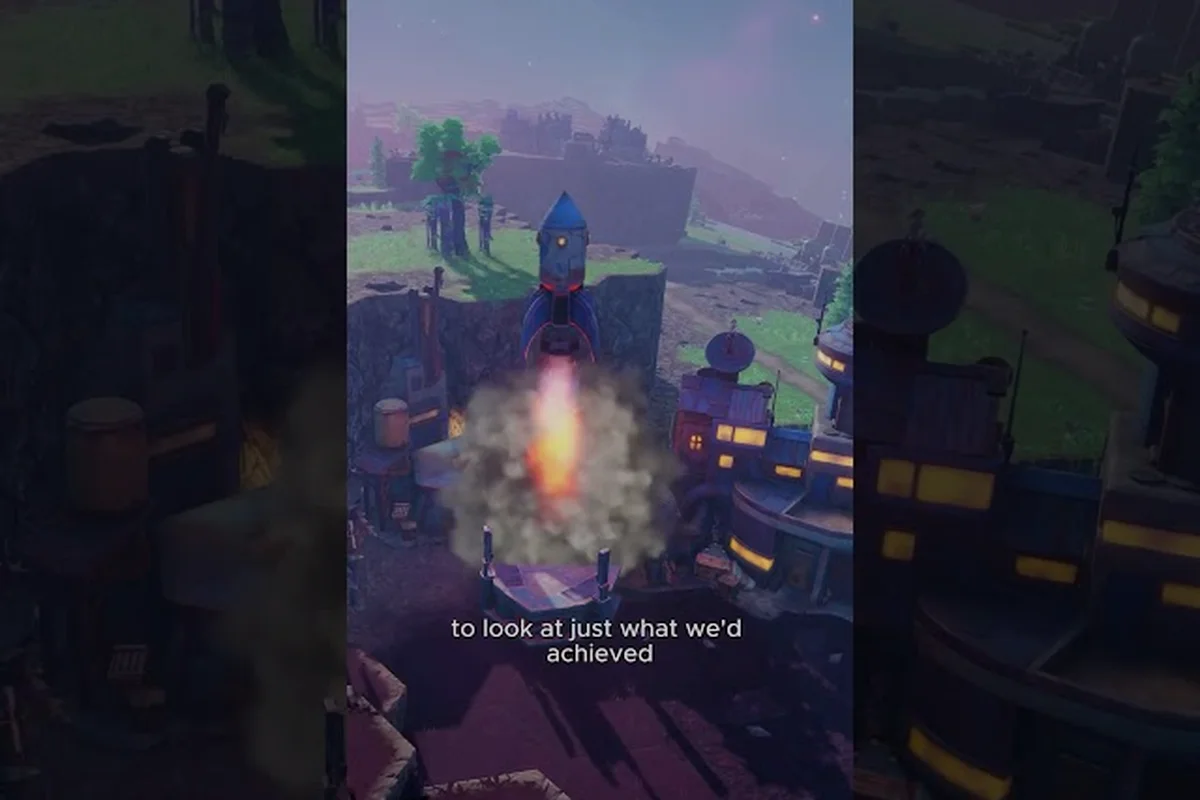
Beyond These Stars Peep Culture: Behavior & Celebrations
Explore Beyond These Stars Peep culture: learn Peep behavior, how Celebrations shape life on Kewa, and where the Apothecary fits into daily life.

Beyond These Stars Kieran: Norva, Ublo, Jose & Soup Recipes
Meet Beyond These Stars Kieran and the crew: learn who Norva, Ublo and Jose are, and how soup and potatoes fit into daily life on Kewa.
Beyond These Stars How to Avoid Homelessness: Shifts & Housing
Avoid Beyond These Stars homelessness with this shifts guide — learn the shift system, work schedule, and housing tips that keep every Peep on the plate.