
Outposts
Scout and Trade Ships, settleable planets and Ancestral worlds — pick outposts worth the trip, plan interstellar shipping and work within Kewa’s patience.
Introduction
Kewa cannot supply everything, and the mid game makes that a problem rather than a curiosity. Your plate has finite raw materials, so expanding production eventually means going elsewhere: building Scout Ships to investigate what is out there, Trade Ships to ferry supplies between worlds, and outposts on planets that hold what Kewa lacks. The friction is that nothing in the Solar System View is identified until a Scout Ship looks at it, including whether a planet can be settled at all, so exploration is genuinely exploratory rather than a menu of known options. There is also a clock. Kewa may decide when it is time to leave a system, and the strength of your relationship with the whale affects how long you can work an outpost before the ground moves out from under the project. Settling carries its own flavour too: the settlable worlds belonged to the Peeps’ Ancestors, so establishing an outpost reads as reclaiming old ground rather than displacing anyone. Some of those planets bring livestock such as chickens and cows, and the Pasture turns them into milk and eggs for a diet that is not potatoes.
Planet & Outpost Types
| Type | What It Offers | What It Costs You |
|---|---|---|
| Unidentified object | Unknown until a Scout Ship investigates; may be anything from space junk to a settleable world | Scout Ship time, and the risk that the investigation finds nothing worth the trip |
| Barren planet | A resource deposit your plate cannot supply, once mining infrastructure is in place | Full outpost build-out plus a permanent shipping route to keep it useful |
| Settleable planet | A world that supports Peep life, so an outpost there can be self-sustaining rather than purely extractive | The same build-out cost, and a longer list of needs to satisfy once Peeps live there |
| Ancestral Planet | Land that belonged to the Peeps’ Ancestors, so settling it is reclaiming old ground rather than displacing anyone | Narrative weight rather than a mechanical one, but the story around it matters later |
| Livestock world | Animals such as chickens and cows that a Pasture converts into milk and eggs | Transport and feed logistics for a diet upgrade that is convenience rather than necessity |
| Space junk / strange object | Investigation results that are not settlements, sometimes with salvage or story value | Scout Ship time that could have gone to a world you could actually work |
| Trade station | An interstellar stop where goods change hands | Becomes load-bearing if you design around it, so routing decisions come with commitment |
| Alien contact | A faction you can befriend, with quests and rewards attached | Attention in a system that may not stay yours for as long as you would like |
Outpost Decisions Worth Planning
Scout Ship
Reconnaissance
Trade Ship
Interstellar logistics
Relationship Time Limit
The hidden clock
Ancestral Planets
Story-flavoured settling
Trade Station
Routing choice
Alien Contact
Faction relations
Space Junk & Strange Objects
Investigation results
Pasture & Livestock
Diet upgrade
Core Mechanics
The outpost layer extends your production chain into space, and it introduces two constraints that do not exist on Kewa’s plate. The first is information: objects in the Solar System View stay unidentified until a Scout Ship investigates them, and identification includes whether a planet is settleable at all, so exploration is a real cost before it is an opportunity. The second is time. Trade Ships take real minutes to cross between worlds, which converts supply into a delivery schedule rather than a flow, and Kewa may independently decide to leave a system, which can strand whatever you have built. Together those two constraints make outposts an investment with an amortisation period. You scout to reduce uncertainty, you build the extraction layer, you arrange shipping capacity and buffers, and you recover the cost over the time you are allowed to stay. Everything else in the system — Ancestral Planet narrative threads, alien contacts, livestock worlds — sits on top of that core loop, adding value or story to an outpost that already needed to justify its shipping cost.
Advantages
The outpost system solves the problem every finite map eventually creates. Kewa’s plate has a limited surface and limited deposits, and rather than fudging that with infinite resources, the game sends you elsewhere and charges you honestly for the trip. Because settlement is gated behind Scout Ship investigation, expansion also stays exploratory: you are deciding what a world is worth rather than reading it off a tooltip. The Ancestral Planet framing is a genuinely unusual touch, turning colonisation into reclamation of the Peeps’ own history, which fits the gentle tone the rest of the game establishes. And the outpost loop keeps the relationship system relevant late into a campaign, because Kewa’s mood determines how long you are allowed to work the worlds you invested in — a rare case of a narrative mechanic having a direct commercial consequence.
Challenges
Outposts add latency to a system that was previously immediate. Sea-level production reacts instantly to your decisions; off-world supply reacts after a Trade Ship voyage, which turns shortages into intermittent starvation that is harder to diagnose than a missing input at home. The system also depends on a variable you do not control: Kewa’s willingness to stay. That means your return on an outpost can be cut short by a mood meter, and the mitigation — front-loading expensive infrastructure — is a workaround rather than a solution. Scout Ship throughput is another choke point, since nothing can be planned around a world you have not investigated, and investigations can come back with nothing worth working. Finally, the livestock and alien contacts are quality-of-life and narrative payoffs rather than throughput ones, so players expecting outposts to be a large economic multiplier may find the returns more modest than the logistics burden implies.
Frequently Asked Questions
How do I build an outpost?+
How long can I stay in a system?+
What are Ancestral Planets and should I settle them?+
Can I get animals like cows and chickens?+
Quick Tips
Scout ahead of your production needs rather than in response to them. Nothing in the Solar System View is identified until a Scout Ship investigates it, including whether a planet can be settled at all, so knowing which worlds hold which resources lets you build the right outpost the first time instead of retro-fitting an expensive mistake.
Put a storage buffer on each side of every outpost shipping route. Trade Ships take real time to cross between worlds, which turns tidy local production into intermittent starvation, and buffers at both ends are what stop voyage latency from idling the factories you built at home to consume those supplies.
Front-load the expensive part of an outpost build, because Kewa can decide to leave a system before you are finished. The strength of your relationship with the whale affects how long you get, so arranging the build order means a forced departure costs you margin rather than the entire project sitting stranded on an abandoned world.
Watch the direction of Kewa’s mood as your outpost schedule signal, not its current value. Temperature effects accumulate while you sit in a system, so a downward drift while an outpost is still under construction means finish or leave, and waiting for the meter to reach a concerning level usually means waiting until the decision is taken out of your hands.
Do not build an outpost route you cannot afford to lose. Because shipping is the only way an off-world settlement contributes to your home economy, any interruption converts the investment into a stranded asset, and the cheap insurance is to keep your home production viable without the outpost rather than dependent on it.
Featured

Beyond These Stars Best Outpost Planet: How to Choose One
Find the best outpost planet in Beyond These Stars by comparing what each world offers, how far it sits from Kewa, and what your settlement still lacks.

Beyond These Stars How to Use the Scout Ship: Probes & Scans
Master beyond these stars how to use the scout ship — learn how probes, scans, and Galaxy Map nodes work so you can unlock new settleable planets fast.
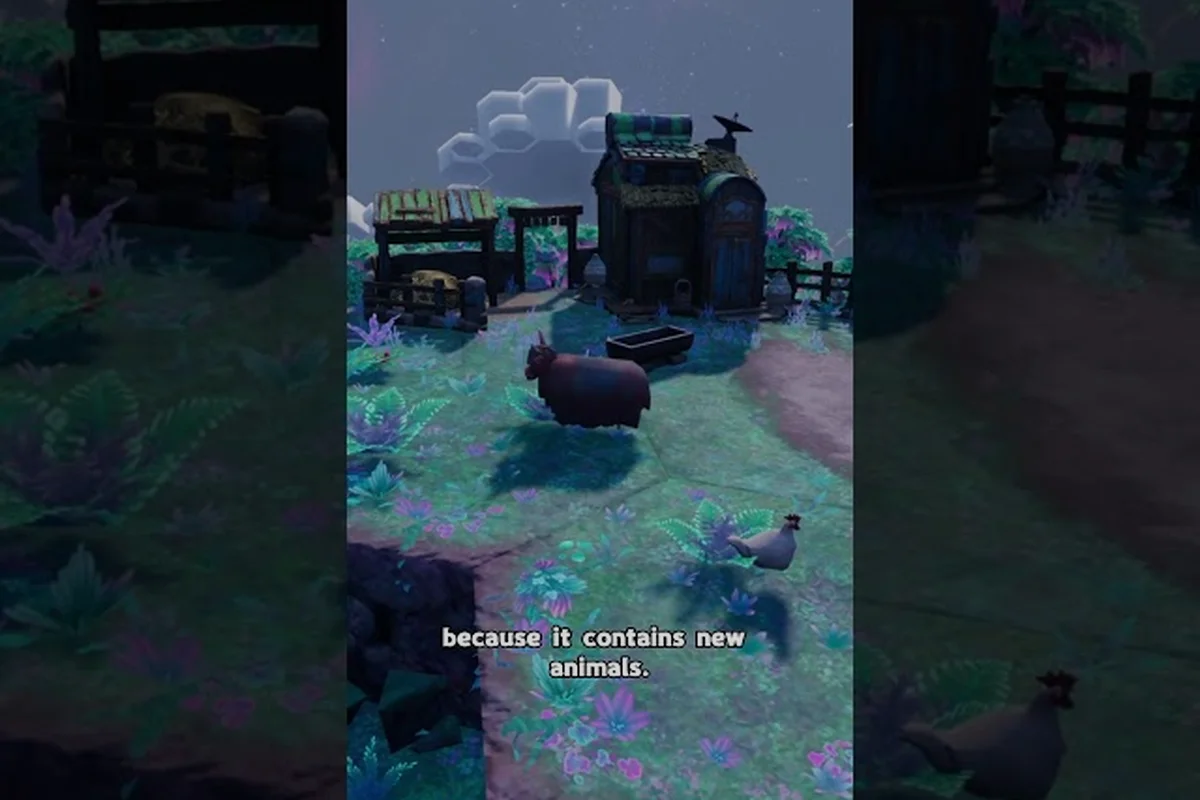
Beyond These Stars Outpost Tier List: Planets Ranked & Compared
Rank candidate worlds in this Beyond These Stars outpost tier list, weighing what each settleable planet offers against the distance and effort it costs you.
All Articles

Beyond These Stars Alien Quests: Trade, Rewards & Exploration
Complete every Beyond These Stars alien quest, trade with strange species at orbital stations, and find the rewards hidden in space junk.
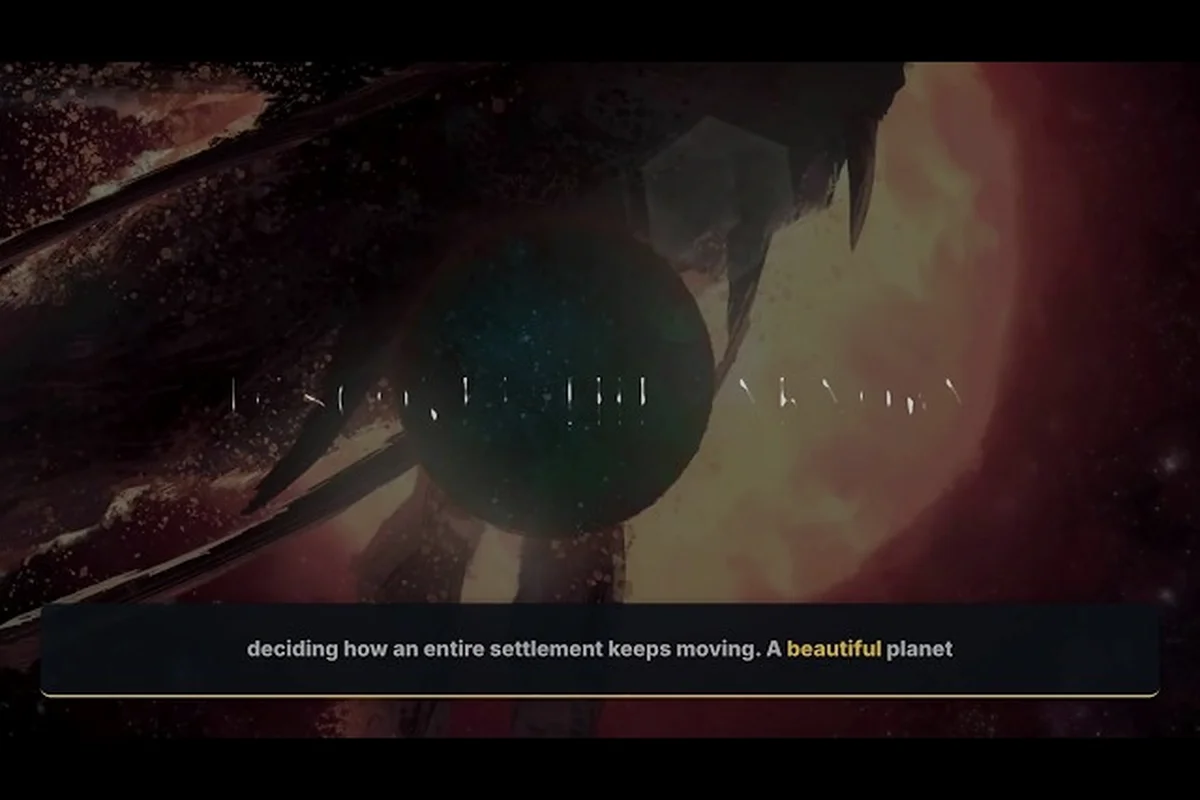
Beyond These Stars Animals Guide: Cows, Chickens & New Livestock
Build a working ranch with this Beyond These Stars animals guide — learn how to unlock cows, chickens, and sheep on settled planets for steady milk and eggs.
Beyond These Stars Settleable Planets: Scout Ship & Outposts
Find every beyond these stars settleable planet via the Scout Ship, learn how ancestral worlds work, and pick the right moment to build your first Outpost.
Beyond These Stars Transporting Resources: Space Ports & Trade
Move beyond these stars transporting resources between Kewa and other worlds using Space Ports, Landing Pads, and Trade Ships to keep every Outpost supplied.