
Production Chains
Tiered goods, power and storage laid out end to end — research unlocks, composting loops, bottleneck diagnosis and multi-planet supply chains that never stall.
Introduction
Beyond These Stars structures its economy as tiers, and the structure matters more than any individual building. Raw materials feed intermediate goods, intermediates feed advanced products, and advanced products arrive only once research has unlocked them. That means your production network is a chain in the literal sense: a shortage at the bottom does not announce itself at the top, it simply starves everything downstream until buildings sit idle with full workforces and no inputs. Power runs alongside the chain rather than inside it, supplied by generators with a visible coverage range. Waste closes a loop of its own, with wood waste from plank production historically the main composting headache and food waste added as an alternative by-product in the full release. Once Kewa’s plate can no longer supply what your factories demand, mining infrastructure and off-world outposts take over, and the chain extends across the galaxy — which is where shipping time becomes a production constraint in its own right.
Production Tier Overview
| Tier | Goods | Feeds Into |
|---|---|---|
| Raw | Logs from the Woodcutter, ore from the Mine, crops and water from the settlement | The first processing step, and the input every later tier ultimately depends on |
| Processed | Planks from the Sawmill, metal from the Smelter, wood waste as a by-product | Construction and the tools that unlock higher-tier production |
| Refined | Metal goods from the Toolsmith and similar specialised workshops | Advanced goods, and the equipment your settlement needs to keep expanding |
| Advanced | Electronics and other research-gated products from the Electronics Plant | Late-game Peep needs, and the research tiers that arrive with them |
| By-product | Wood waste and food waste routed into composting | Returned to the chain as usable inputs rather than discarded |
| Off-world | Resources mined at outposts and shipped back by Trade Ship | Whatever Kewa’s plate cannot supply at the volume your factories want |
Production Tiers Explained
Raw Materials
Chain foundation
Processed Goods
Conversion step
Advanced Goods
Research-gated top
Power & Coverage
Runs alongside the chain
Composting Loop
Waste recovery
Logistics & Shipping
Distance as a cost
Core Mechanics
Every good in the game has a fixed position in a chain, and every chain has the same shape: extract, convert, refine, then feed a research-gated tier above it. Because each stage only consumes the stage below, a shortage propagates upward silently — the visible symptom is a high-tier building sitting idle, while the actual cause is a depleted extraction node or a conversion building whose throughput quietly capped out. Buffers are the diagnostic tool: one storage shed per stage means the first empty buffer points at the real shortage instead of forcing you to inspect six inputs. Power sits outside the chain but gates it, because generators cover a finite radius and no building runs without coverage. Waste closes a loop back into the chain through composting, which effectively increases how much output a fixed amount of land can sustain. Then, at the point where Kewa’s plate cannot supply the volume your factories want, mining infrastructure and outposts extend the chain off-world — and shipping time becomes the newest constraint, turning buffers from convenience into necessity.
Advantages
The tiered structure produces a real advantage over looser crafting systems: cause and effect stay traceable. When something stalls, the chain tells you exactly which layer to inspect, because each good has one job and one set of inputs. Buffers make that even sharper, since the first empty buffer localises the failure in a single glance. Waste recovery is a second quiet win — composting turns by-products into inputs, which on a plate with a finite surface area is equivalent to free production capacity. Research gating also gives the economy a shape over time rather than a single optimal build order, so the middle hours of a campaign stay interesting as each unlock reorganises what your supply lines should look like. And because power coverage is drawn rather than hidden in a menu, the spatial side of production stays legible instead of becoming guesswork.
Challenges
Tiered chains are unforgiving about sequencing, and the game does not shield you from your own ordering mistakes. Take an advanced unlock before its inputs exist and you own an idle building plus a fresh set of Peep expectations; the cost shows up as unhappiness rather than as an error message. Diagnosis is also manual. There is no built-in flow report, so finding a mid-chain bottleneck means reading buffers and watching buildings, and reviewers in the launch window specifically asked for resource menus to be streamlined. Waste management adds another layer to learn on an already dense screen, and the developers have not published throughput or cost figures, so you cannot compute an optimum offline. Finally, once outposts enter the picture, shipping latency turns a tidy local chain into an intermittent one, which raises the difficulty of troubleshooting without adding much player control.
Frequently Asked Questions
Why is my production chain stalled even though nothing is broken?+
How do I get advanced goods?+
What do I do with wood waste and food waste?+
Do I need outposts to finish a production chain?+
Quick Tips
Put one storage buffer between every production stage instead of a single warehouse at the end of the line. When a chain stalls, the buffer that empties first is adjacent to the real shortage, which turns bottleneck hunting from an afternoon of inspecting six buildings into a single glance at the layout.
Take a research unlock when it removes your current bottleneck, not when it looks strongest on the tree. Every unlock also raises what your Peeps expect, so adopting a technology before its input chain exists buys you an idle building and a batch of unhappy colonists at the same time.
Check power coverage before you start blaming your inputs. Generators cover a finite radius and draw that range on selection, so a building sitting just outside the line will idle with a full crew and no visible explanation, which means the fix is a placement change rather than a supply one and the two are easy to confuse when a factory goes quiet.
Never cut a standing forest for one emergency build. Trees are a renewable raw-material supply and a maintained forest also helps spread the atmosphere that lets your city expand into new ground, so trading both benefits for a single quick build almost always costs more than sourcing the same shortfall from somewhere else on the plate.
Route wood waste and food waste into composting rather than treating them as dead weight to be dumped. The loop returns by-products to your chain as usable inputs, which on a plate of finite surface area is effectively free production capacity that the industry generating them has already paid for in materials and labour.
Featured
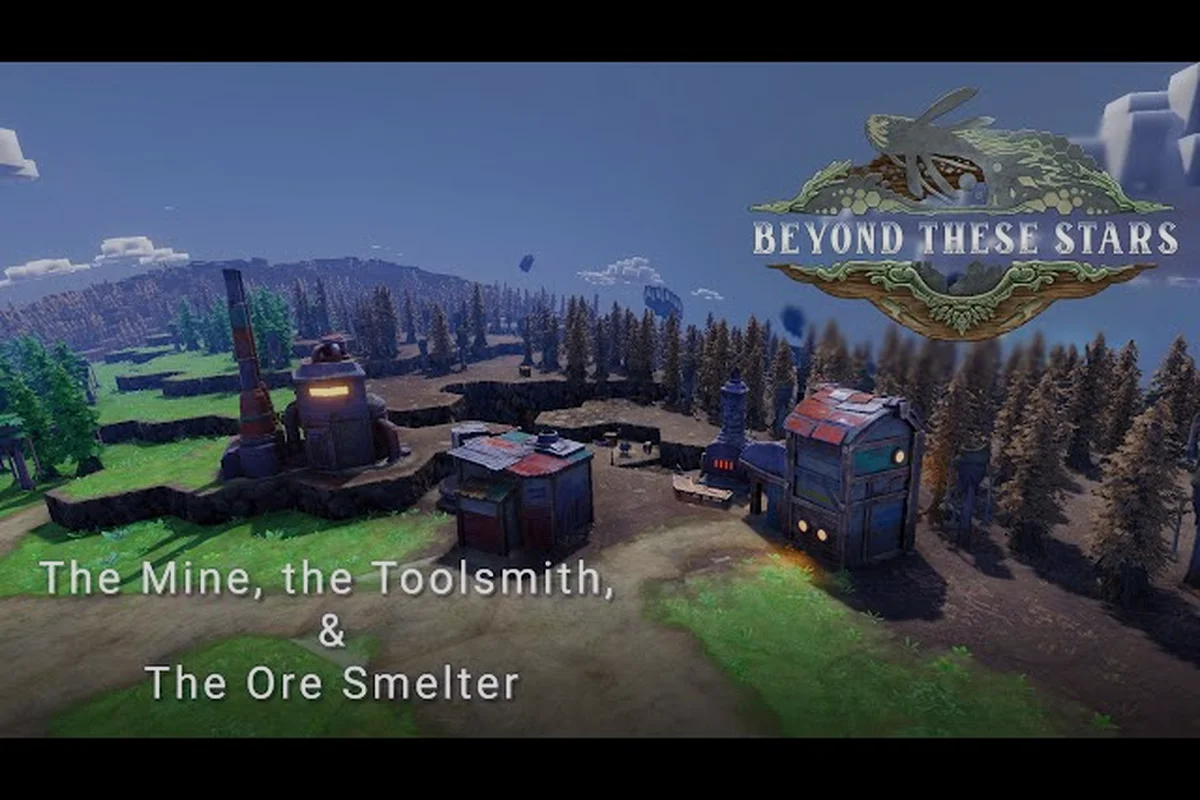
Beyond These Stars How to Make Advanced Goods & Skip Bottlenecks
Crack beyond these stars how to make advanced goods with this production guide, covering the research-gated buildings that turn raw materials into them.
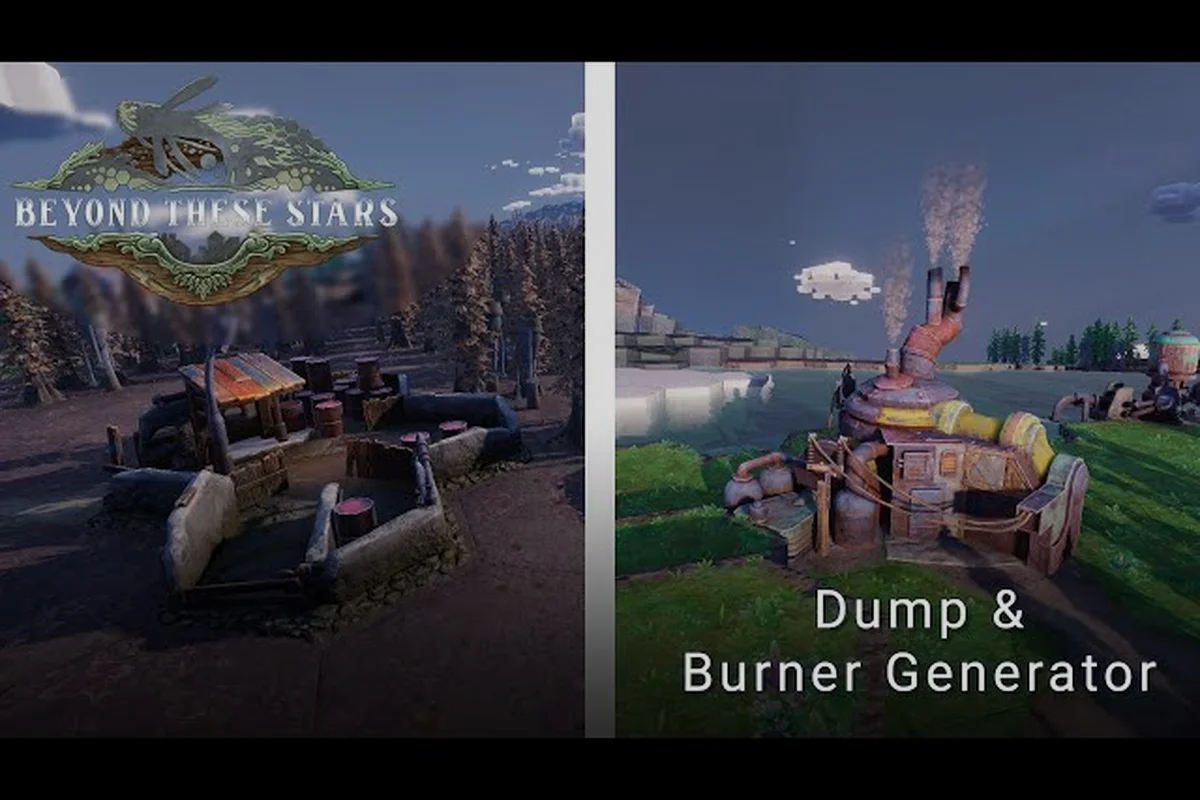
Beyond These Stars Production Chains: Logistics & Supply
Map every Beyond These Stars production chain from raw extraction to advanced goods and see how supply lines keep your economy alive.
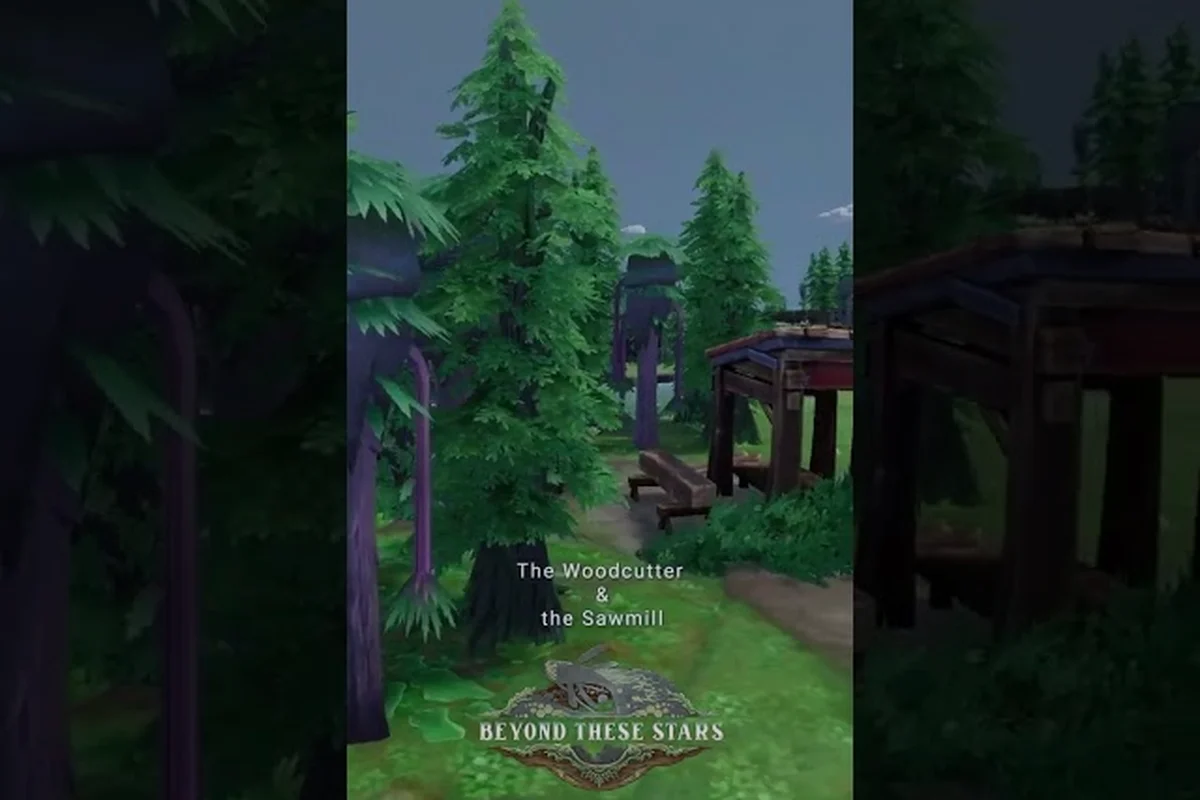
Beyond These Stars Throughput Guide: Workers, Jobs & Food Flow
Maximize Beyond These Stars throughput with this production guide on worker priority, job assignment, and the food chain that keeps your Peeps fed.
All Articles
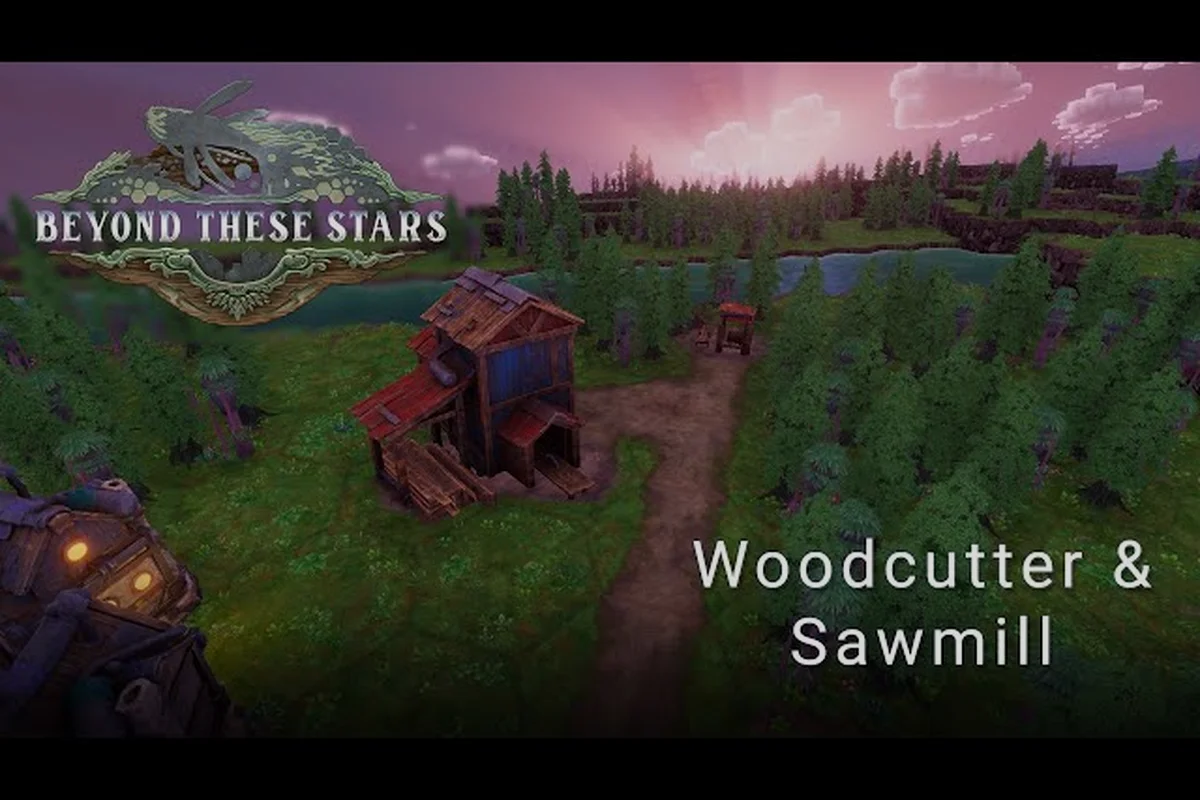
Beyond These Stars Woodcutter, Sawmill & Supply Chain Setup
Set up the Beyond These Stars woodcutter and sawmill the right way — learn toolsmith support, composting loops, and how to break production bottlenecks fast.
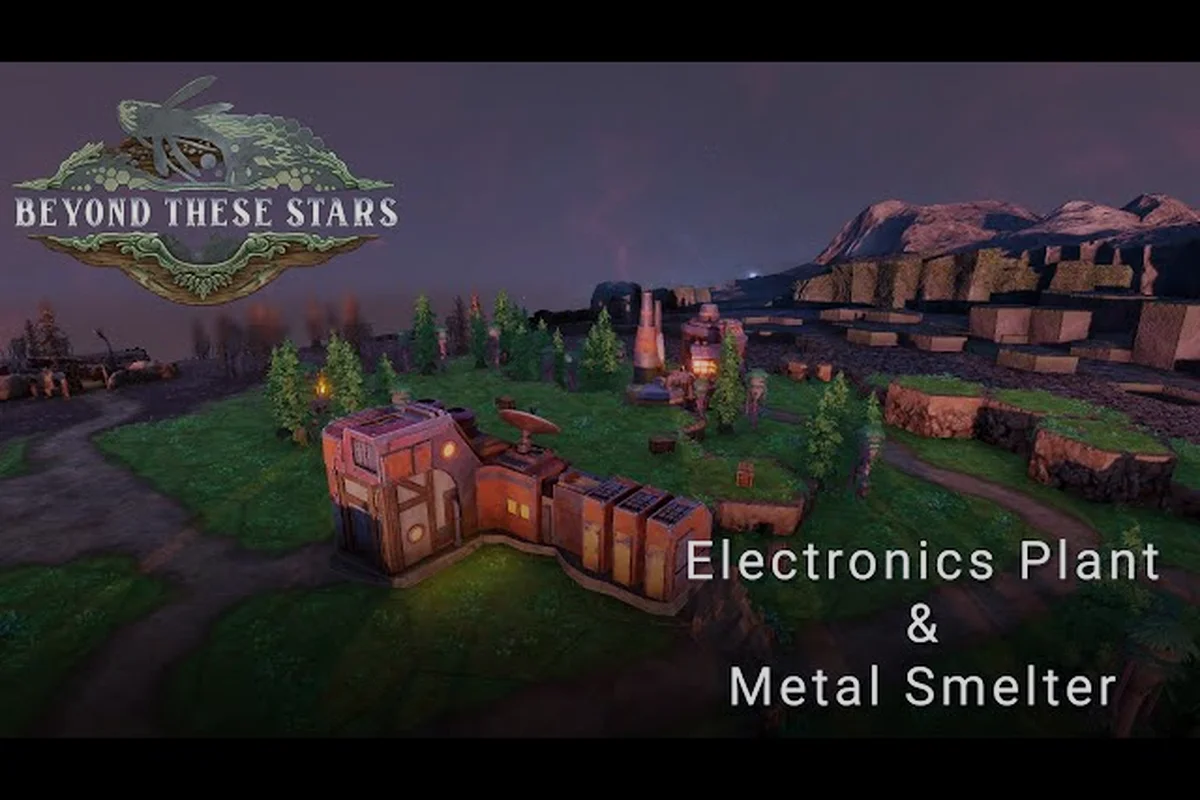
Beyond These Stars Crafting Recipes and Production Chains
Follow the Beyond These Stars crafting recipes through each production chain, from raw materials all the way up to the advanced goods a late settlement needs.
Beyond These Stars Food Waste: Composting, Trade & Economy
Stop wasting food in Beyond These Stars — learn how composting works, when to trade surplus, and how waste fuels a healthy economy.
Beyond These Stars Potato Farming: Water, Soil & Sustainability
Grow Beyond These Stars potato farming the smart way — learn water management, soil prep, and sustainable mid-to-late game farming that keeps production rolling.
Beyond These Stars Resources Guide: Every Material & Source
Track every resource with this beyond these stars resources guide — learn where each material spawns, how shipping pads move them, and what the full 1.0 list covers.