
In Beyond These Stars, your Peeps ride a sentient Space Whale named Kewa across an ever-shifting galaxy, and the only way to grow past the whale's back is to find settleable planets. The Scout Ship is your doorway to those worlds, and Outposts on nearby planets supplement what Kewa cannot supply. This guide walks through how to spot every beyond these stars settleable planet, how the Trade Ship and Settlement Ship fit into the chain, and the right moment to build your first Outpost.
The development team at Balancing Monkey Games confirmed in their official dev blog that the system for finding settleable planets involves scanning star systems for worlds that meet specific habitability thresholds, as described in the the official YouTube channel.
How Settleable Planets Work in the Galaxy
The Galaxy Map is the single most important overlay for understanding settleable planets, and it is partially hidden when you first unlock it. Nodes on the map fill in over time, and each one can hold barren planets, space junk, strange objects, trade stations, or aliens. A planet is only worth settling once it has been identified on the map and then investigated in person from the Scout Ship with José. Nodes that look empty from a distance sometimes hide the richest settlements, which is why scanning always takes priority over rushing to a glowing icon.
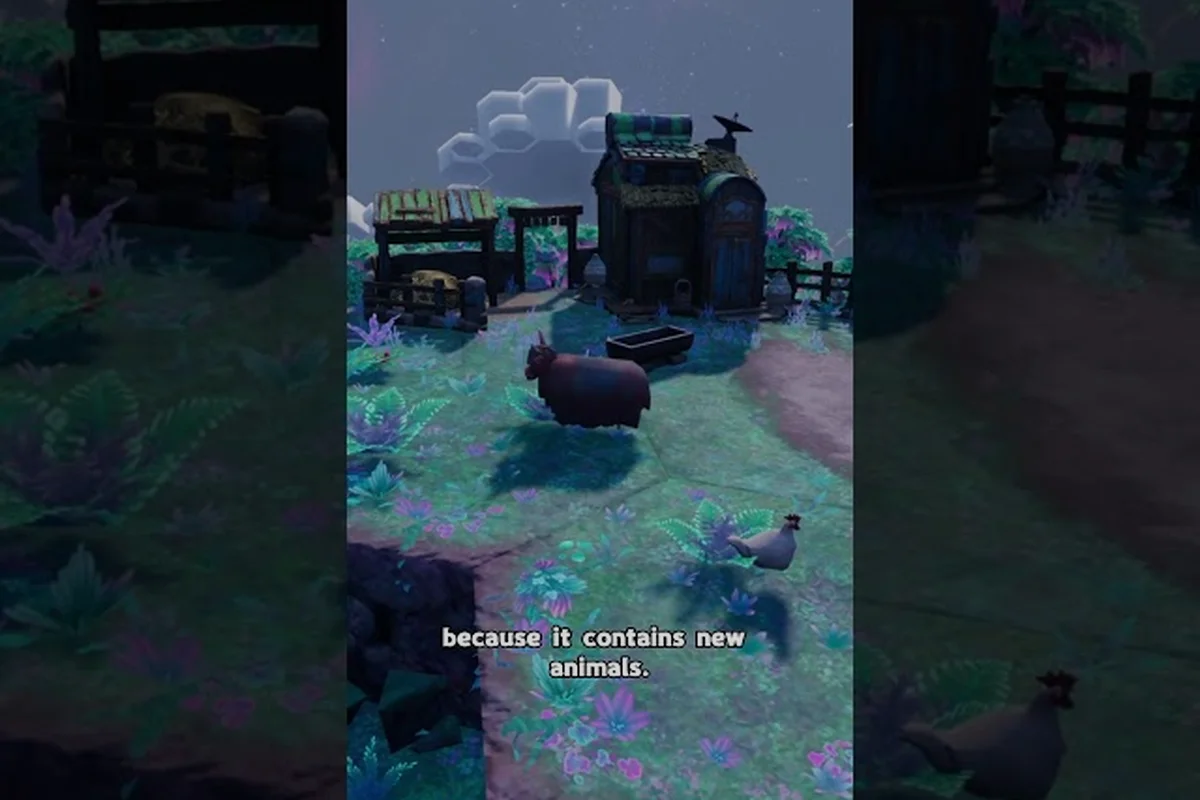
The Neutral Sector is the only named region the developer has published so far, and it is the place most new players meet their first tameable animals. A moderate-climate planet sits inside the Neutral Sector, and it carries chickens and cows that you can pasture on Kewa's back once you bring them home. Because the Neutral Sector is the one sector the developer has chosen to name, treat its planet as a known landmark rather than a mysterious find.
Settling is not the same as building. The Settlement Ship lands your Peeps on a new planet, and the developer has made one important point crystal clear: the player does NOT build the Settlement Ship. It arrives through the story progression and only handles landing, which means your actual building effort on a new planet starts with Landing Pads, Space Ports, and the Outpost structure itself, not with the ship that put you there. The Beyond These Stars how to use the Scout Ship guide breaks down the investigation step in full.
What Makes a Planet Settleable
A planet becomes settleable when three conditions line up: it must be revealed on the Galaxy Map, it must be a planet node (not space junk or a strange object), and it must be reachable by the Settlement Ship. Barren worlds with no atmosphere still count, because Outposts are designed to operate on small surface footprints rather than full colonies. Hot or cold climate planets are still settleable, but the Outpost you build there is meant to extract a single resource chain, not to host your whole population.
Climate Tiers You Will See
| Climate Tier | Atmosphere | Best Outpost Use | Worker Comfort |
|---|---|---|---|
| Moderate | Balanced | Long-term Outpost, full production chains | High |
| Cold | Low heat | Wool harvesting, Cold Weather Clothing runs | Medium |
| Hot | High heat | Shell trawling, Burner-fed power | Medium |
| Barren | None | Mining-adjacent extractors, junk salvage | Low |
Scout Ship, Trade Ship, and Settlement Ship Explained
Three ships carry the entire galactic economy, and confusing their roles is the most common reason new players stall. The Scout Ship is your early-game exploration vessel and the one that flies with José. It cannot land on a planet; it only circles the node, scans it, and reports back what is there. Once a node is confirmed as a planet with extractable value, you choose the next ship.
The Trade Ship ferries goods between Space Ports. It does not settle anything; it only moves cargo along routes you lay down through the Space Port network. If you want a steady stream of Cows from the Neutral Sector, a Trade Ship route is what makes the round trip possible. Each Space Port can hold up to four Landing Pads, and each Landing Pad takes one ship at a time, so the bottleneck for trade is always Landing Pad slots, not ship count. The Trade Ship is the one you build through the Spaceship Builder, and a full walkthrough lives in the Beyond These Stars how to build a Trade Ship walkthrough.
The Settlement Ship is the rarest of the three because the developer does not let you construct it. It appears through story progression, lands a starter crew on a chosen planet, and that landing is what turns a node into an Outpost. The fact that you do not build it is the most important mechanic to internalize: spending resources on a Spaceship Builder will not give you a Settlement Ship, and trying to rush settlement by spamming ships is a waste of materials.
Ship Roles at a Glance
| Ship | Who Controls It | Primary Job | Buildable by Player? |
|---|---|---|---|
| Scout Ship | Player (with José) | Scan and report planet nodes | Yes, via Spaceship Builder |
| Trade Ship | Player | Move goods between Space Ports | Yes, via Spaceship Builder |
| Settlement Ship | Story progression | Land Peeps on a new planet | No |
Landing Pad Rules Players Get Wrong
Two Landing Pad rules trip up almost every new colony. First, Space Ships cannot land on Kewa or on a planet without a Landing Pad, which means every outpost world needs at least one pad before a Trade Ship route can touch it. Second, a single Space Port can host up to four Landing Pads, but each pad can only accept one ship at a time, so the practical limit is the number of ships you can afford to crew. Plan pad counts around the routes you intend to run, not the routes you hope to run later.
Ancestral Planets and What They Unlock
The phrase ancestral planets has been floating around player discussions even though the developer has not published a strict definition. In the current build, the closest official concept is a planet tied to your Peeps' origin story, surfaced through Kewa dialogue and Galaxy Map nodes that carry cultural or historical weight. The practical effect is that certain planets offer story-driven bonuses when settled, and other planets only offer raw resources. The developer has not published a fixed list of ancestral planets, so the safe approach is to treat any planet that triggers unique Kewa dialogue as a candidate ancestral world and prioritize it for Outpost development.
The reason this matters is that settlement decisions in Beyond These Stars compound. A planet you settle early becomes a permanent node in your supply web, and replacing it later means tearing down Landing Pads, rerouting Trade Ships, and absorbing the happiness cost of relocating Peeps who already call that world home. The settlement timing rule of thumb from the developer is straightforward: settle the planet you intend to keep, not the planet that is closest to Kewa at the moment.
Settlement Decision Matrix
| Planet Type | Story Value | Resource Value | Recommended Timing |
|---|---|---|---|
| Ancestral / story-tied | High | Medium | Early, ideally before Outpost #2 |
| Moderate climate | Medium | High | First Outpost choice |
| Cold or hot | Low | High (specialized) | Second Outpost or later |
| Barren | Low | Medium | Third Outpost, paired with a Trade Ship route |
When to Build Outposts and How to Build an Outpost
The decision of when to build outposts is tied directly to Kewa's happiness and to the temperature of the current galaxy. If the galaxy is hot, Kewa's happiness drops, and at a low enough level Kewa starts emergency travel toward a cold region. Building an Outpost in a hot galaxy can buy you breathing room because the new planet supplements the resources Kewa cannot provide, but the same Outpost in a cold galaxy is a wasted slot. Reading the temperature gauge before committing to an Outpost location is the single highest-leverage habit for new players.
How to build an outpost in practice is a five-step chain. You start by unlocking the Settlement Ship through story progression, since you cannot build it yourself. You then pick a confirmed planet from the Galaxy Map and direct the Settlement Ship to land. Once landed, your Peeps need a Landing Pad and a Space Port before any other construction can receive trade goods. With the port active, you place the Outpost structure itself, which the developer treats as a specialized production hub rather than a tiny copy of Kewa's city. Finally, you connect the Outpost to your home network with a Trade Ship route so that resources flow back to Kewa.
The full timing question, including how to choose your first Outpost versus your second, is covered in the Beyond These Stars when to build outposts roadmap, which pairs this guide with habitat-specific recommendations. The most expensive mistake new players make is settling a planet before the Galaxy Map has finished filling in. A node that looks empty today may reveal a richer world tomorrow, and once you have committed a Settlement Ship to a barren world, that ship is gone. The safe pattern is to wait until at least three or four unexplored nodes have resolved, then settle the most strategically valuable one. Patience is a resource, and the Galaxy Map rewards it.
Outpost Construction Checklist
| Step | Action | Building or Ship | Notes |
|---|---|---|---|
| 1 | Unlock Settlement Ship | Story progression | Cannot be built by player |
| 2 | Pick confirmed planet | Galaxy Map node | Must be scanned by Scout Ship first |
| 3 | Land Peeps | Settlement Ship | One-way trip; the ship stays |
| 4 | Place Landing Pad | Landing Pad | Required before any ship can dock |
| 5 | Place Space Port | Space Port | Holds up to four Landing Pads |
| 6 | Place Outpost structure | Outpost | Specialized production hub |
| 7 | Connect with Trade Ship | Trade Ship route | Bidirectional cargo flow |
Resource Flow Once an Outpost Is Live
| From | To | Carried By | Cadence Hint |
|---|---|---|---|
| Outpost planet | Kewa | Trade Ship | Continuous once route is set |
| Kewa | Outpost planet | Trade Ship | Tools, Clothing, Advanced Goods |
| Neutral Sector | Kewa | Trade Ship | Cows, Chickens, byproducts |
| Outpost planet | Outpost planet | Surface haulers | Internal redistribution |
Settling Pitfalls to Plan Around
The second pitfall is treating every planet as a colonization candidate. Outposts supplement what Kewa cannot supply, and the developer has emphasized that the Outpost system is built around specialty production, not duplicate cities. If a planet cannot deliver a resource Kewa lacks, the Outpost is a maintenance drain rather than a growth engine. Reserve colonization for planets that unlock a genuinely new production chain, like Shell harvesting on a hot world or Wool on a cold one. The Beyond These Stars animals guide explains how Cows and Chickens from the Neutral Sector slot into this logic.
The third pitfall is over-building Landing Pads. Because each pad can only host one ship at a time, a Space Port with four empty pads is a sunk cost. Start with a single pad, observe the Trade Ship cadence, and add pads only when cargo queues back up. The fourth pitfall is ignoring Kewa's temperature sensitivity, which is the developer-published trigger for emergency travel. If you settle a hot planet during a hot galaxy phase, Kewa will eventually want to leave, and your carefully planned Outpost will be stranded in the wrong climate band.
Pitfall Severity Chart
| Pitfall | Severity | Cost of Recovery |
|---|---|---|
| Settling before map fills | High | Lost Settlement Ship |
| Colonizing without a role | Medium | Idle workers, idle buildings |
| Over-building Landing Pads | Low | Demolish and reclaim |
| Ignoring galaxy temperature | High | Stranded Outpost, rerouted ships |
Reading the Galaxy Map Like a Pro
The Galaxy Map is a strategic layer, not a menu, and reading it well means treating every node as a question. Is this a planet or space junk? Does the climate match my current Outpost plan? Is it close enough to Kewa's projected path that a Trade Ship route is realistic? The developer has confirmed that nodes can hold aliens and strange objects alongside planets, and the only way to tell them apart is to send the Scout Ship.
The map also drives when to build outposts in a subtler way. A planet that is technically settleable but sits far from Kewa's current trajectory will demand a long, expensive Trade Ship route. A planet that is closer to Kewa's projected path is cheaper to integrate. The best outpost planet is therefore the one that matches both your production needs and your logistical reach, not the one with the shiniest scan results.
Map Reading Quick Reference
| Indicator | What It Means | Action |
|---|---|---|
| Barren icon | No atmosphere, mostly minerals | Consider for specialty Outpost |
| Moderate icon | Balanced climate, animal life likely | Strong first-Outpost candidate |
| Cold or hot icon | Extreme climate, specialized resources | Outpost #2 or later |
| Space junk | Salvage only, not settleable | Skip for Outpost plans |
| Alien icon | NPC encounter, not a planet | Investigate for quest rewards |
Putting It All Together
Settlement in Beyond These Stars is a chain, and each link has to be ready before the next one fires. The Scout Ship reveals the map, the map tells you which planets are settleable, the Settlement Ship drops your Peeps, the Landing Pad and Space Port let the Trade Ship dock, and the Outpost structure finally produces the resource that justified the whole trip. Rushing any one of those steps either wastes a ship or strands an Outpost in the wrong climate, and the developer has built the systems specifically to punish shortcuts.
Treat settlement as a long-term investment in your Peeps' future, and treat the Outpost network as a supplement to Kewa rather than a replacement for it. Kewa is the ground you build on, the Outposts are the supply depots that keep Kewa's city running, and the Trade Ships are the arteries that connect the two. The Beyond These Stars settleable planets question really comes down to: which world, in this galaxy, at this temperature, will let Kewa's happiness stay high enough to keep moving forward.
Frequently Asked Questions
How do I find beyond these stars settleable planets in the first place?
Open the Galaxy Map and let nodes fill in over time, then send your Scout Ship with José to investigate any node that could be a planet. The map only shows a partial view at first, and new entries appear as Kewa travels, so revisit the map every few shifts to catch fresh candidates.
What is the difference between the Scout Ship and the Trade Ship?
The Scout Ship is the early exploration vessel that flies with José and only scans planet nodes, while the Trade Ship is a later cargo hauler that shuttles goods between Space Ports. Neither ship can land on a planet without a Landing Pad, and you build both through the Spaceship Builder.
Can I build the Settlement Ship myself?
No, and this trips up a lot of new players. The Settlement Ship arrives through story progression and handles the landing step, but you do not construct it. Spending materials on the Spaceship Builder will only give you Scout Ships and Trade Ships, not a Settlement Ship.
When is the right moment to build my first Outpost?
Build your first Outpost once Kewa is stable in a moderate climate and your Galaxy Map has revealed at least one strong planet candidate. Building during a hot galaxy phase or before the map has filled in usually strands the Outpost in the wrong climate band.
What are ancestral planets and should I prioritize them?
Ancestral planets are story-tied worlds that surface through Kewa dialogue, and the developer has not published a fixed list. Prioritize them for early settlement because they often carry unique bonuses, and they become harder to reach once Kewa settles into a long cruising pattern.