
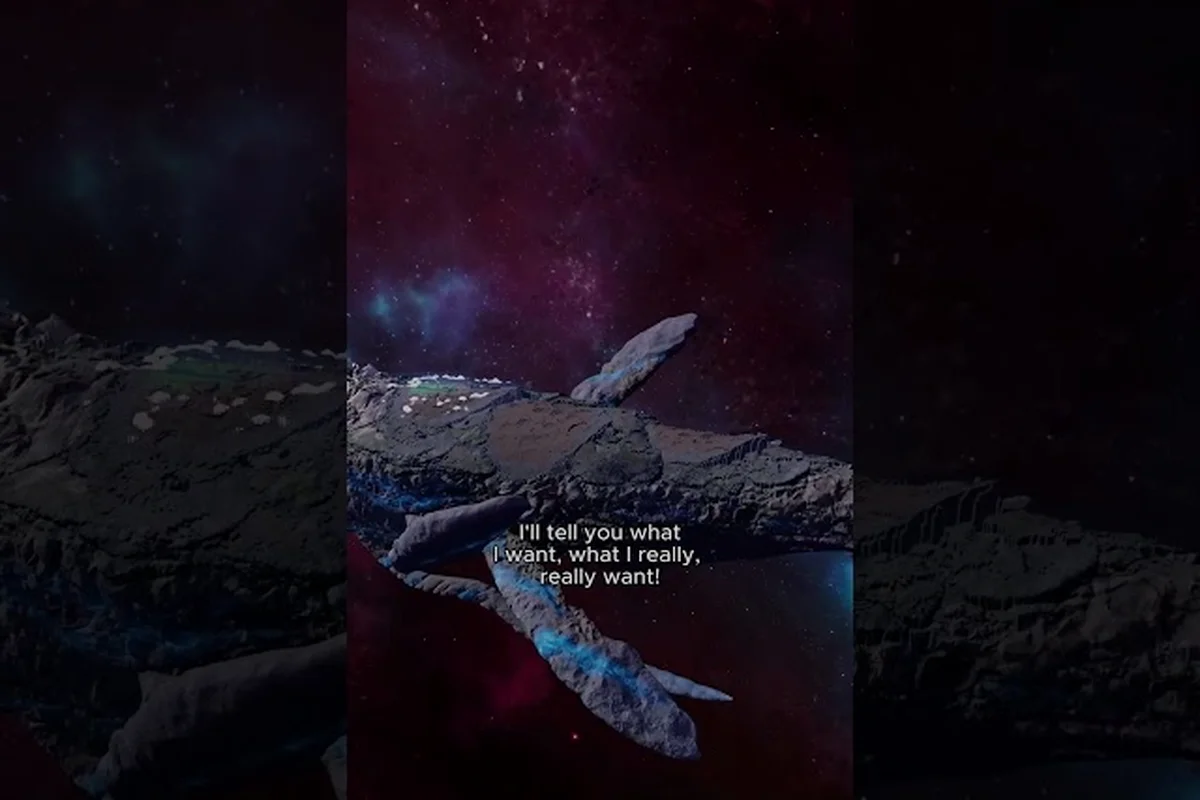
The Peeps are the only working population in Beyond These Stars, the colony simulation released on 16 October 2026 by Balancing Monkey Games and Hooded Horse, in which your settlement sits atop Kewa, a sentient Space Whale drifting through the stars. This page answers who are the peeps in the game's fiction, the small cast of named characters developer Balancing Monkey Games has introduced to give the colony a face, and how these citizens go about their daily lives aboard the moving whale. It covers their needs, the way shifts and celebrations shape their routines, and the traditions that mark a Peep life from sickness through mourning.
Meet the Peeps of Beyond These Stars
Beyond These Stars centers its city-builder loop on a tiny civilization called the Peeps, the everyday people who build, farm, heal, celebrate, and sometimes strike on the back of a giant sentient Space Whale named Kewa. If you have ever launched a session and wondered beyond these stars who are the peeps in the first place, the short answer is that they are your colonists, your workforce, and the emotional core of every settlement you build. The longer answer covers their lore, their named characters, their daily diet, and the systems that decide whether your colony hums along or grinds to a halt. The Peeps are the only working population in the entire game; there are no enemy factions, no rival cities, and no other civilizations to manage. Every Hut, Kitchen, and Fairground you place exists because a Peep will eventually staff it. For the primary source, see Dev Blog #26 on the Peep crew.
What makes the Peeps unusual for a colony sim is that they are not the ground itself. The ground is Kewa. The Peeps are the citizens riding on Kewa's back, and their relationship with the giant Space Whale is treated as a first-class part of the simulation rather than flavor text. Kewa has their own happiness, their own dialogue, and their own reactions to how the Peeps behave. Treat the Peeps well, plant trees, and stay out of a hot galaxy, and Kewa will keep cruising. Push them too hard, ignore pollution, and the whole biome starts to suffer.
This guide is built for the October 2026 launch window. Everything below is grounded in the official store page, the official presskit, the developer's Dev Blogs (#22 through #29), and the release-day Steam community. Where the developer has not published a number, this article says so out loud rather than inventing one.
What the Peeps Actually Are in the Game World
From a lore perspective, the Peeps are the descendants of an interstellar civilization that lost the ability to live anywhere except on the back of a single living creature. Kewa, the Space Whale, carries the entire colony across the galaxy while the Peeps build cities on their skin. That is the entire conceit: a city builder where the tile you are building on is a thinking, feeling being with dialogue, mood, and a happiness pool that drifts up and down based on how you treat the planet below.
Lore Foundations: A Civilization on a Space Whale
The official presskit frames the Peeps as a people who have effectively given up running their own ships and now rely on Kewa to do the interstellar travel for them. According to the official store description, your job is to help them build a new home on Kewa's back, manage their daily needs, and keep the giant creature content as the colony expands. The lore implication is that the Peeps cannot simply land a colony ship on a random planet and walk off; they need Kewa to physically carry them between worlds.
That lore detail is also why almost every named structure in the game is a Whale-based structure rather than a planetary base. You will see Home Spaceship buildings, Spaceship Builder structures, and the Settlement Ship (which is the narrative device the game uses to drop the Peeps onto Kewa at the start of a run). You do not build the Settlement Ship yourself; it is the cinematic arrival vehicle that puts the first Peeps on Kewa's back.
The Two Non-Working Types: Children and Elders
The Peeps are not a single homogeneous workforce. The game splits them into working adults plus two non-working categories: Children and Elders. Children grow up, Elders eventually pass on, and the population churns naturally across a campaign. Both non-working types still need food, shelter, and happiness, even though they do not staff buildings. Skipping their needs is a fast way to drag your colony average down.
According to Dev Blog #25, the game models Sickness, Death, and Mourning as part of this life cycle. Sickness chance rises as a Peep's energy falls, and a Peep who is repeatedly pushed past their wellbeing limits can become seriously ill. The Apothecary is the verified building for healing sick Peeps, and was specifically called out in Dev Blog #25 for needing a texture update. Mourning, in turn, can affect your entire colony's mood and is one of the triggers players most often see for a Strike.
Why the Peeps Are the Only Citizens You Manage
It is worth flagging up front that the Peeps are the only human-like population in the game. There are no bandits, no rival factions, no enemy waves, and no combat. The only other named intelligent being is the Alien character, and aliens in Beyond These Stars are not a hostile faction — they are part of the Galaxy Map roster you can encounter and trade with. The full list of named, officially confirmed individuals is short, and the next section walks through every one of them.
Named Peeps and Supporting Characters
The Peeps themselves are mostly a procedural population, but a handful of named characters anchor the story. Some are Peeps, one is an alien, and a couple are scientists, ship crew, and family members. Below is every named individual the developer has confirmed in official material, plus the role they play in the colony. Anything not on this list has not been published by Balancing Monkey Games, so this article will not invent names.
The Confirmed Named Roster
| Name | Type | Role in the Colony | First Confirmed In |
|---|---|---|---|
| Baz the Wanderer | Peep | Wandering character who travels between settlements; one of the marquee story characters | Official presskit / release material |
| José | Human (Peep crew) | Crew member aboard the Scout Ship; your early-game contact during Scout investigations | Dev Blog #28 |
| Ublo | Alien | Officially described as "infamous" and "cheeky"; the most prominent Alien contact in the Galaxy Map | Dev Blog #26 |
| Matilda | Peep | Story-mode supporting character | Release material |
| Kieran | Peep | Story-mode supporting character referenced in the strike and mourning arcs | Dev Blog / community guides |
| Jerry | Peep | Story-mode supporting character | Release material |
| N'Ova | Peep | Story-mode supporting character; her name is rendered with an apostrophe to mark the in-world pronunciation | Release material |
| Lottie | Peep | Story-mode supporting character | Release material |
Baz the Wanderer
Baz the Wanderer is the most often discussed named Peep, partly because his title literally says what he does: he wanders. Baz is a Peep character who moves between settlements and story beats rather than staying anchored to a single workplace. He is one of the marquee characters in the launch trailer and is part of the reason players ask beyond these stars baz the wanderer search questions in the first place. In practice, expect Baz to show up in dialogue, story events, and possibly as a wandering Peep you can spot moving across Kewa's back.
If you are looking to dig deeper into Baz's specific storyline, the official presskit is the cleanest source. The developer has not published a full biography, ability list, or quest tree for Baz, so any specific stats or outcomes you see in third-party videos should be treated as community observation rather than confirmed fact.
Ublo, the "Infamous" Alien
The other named character that sparks the question beyond these stars who is ublo is Ublo, an Alien character rather than a Peep. Dev Blog #26 frames Ublo as "infamous" and "cheeky" and positions the Alien as a recurring contact you bump into while exploring the Galaxy Map. Ublo is one of several alien encounters in the Neutral Sector and on other Galaxy Map nodes, but Ublo is the one the developer has chosen to name and call out specifically.
Aliens in Beyond These Stars are not a hostile faction. They are a story and trade element, and Ublo embodies the "cheeky" side of those encounters. He is also one of the strongest signals that the Galaxy Map is meant to be more than a static navigation tool: it is a roster of named characters and named regions (such as the Neutral Sector) that the developer will continue to flesh out.
José, Kieran, Matilda, Jerry, N'Ova, and Lottie
The rest of the named roster fills out the story. José is the voice on the Scout Ship and your early link to Galaxy Map investigation. Kieran, Matilda, Jerry, N'Ova, and Lottie are all story-mode Peeps who appear in dialogue and key events. If you want a full breakdown of one of these characters in particular, the Kieran and N'Ova profile on this site covers the in-game roles those two play.
A quick housekeeping note for new players: there is no multiplayer roster to learn. Beyond These Stars has no co-op, no PvP, and no shared-world play, so every name on this list belongs to a story character you meet in your own single-player save. There is also no character creation screen; you do not name your own custom Peep.
What Peeps Eat: The Peep Diet
The Peep diet is the most concrete set of mechanics around your citizens because it is the one system you can interact with every single shift. The short version: Peeps need a steady supply of prepared meals, the meals are made from raw ingredients, and a small set of buildings turns the raw chain into food on the table. The longer version is that several layers of the economy exist specifically to keep the Peeps fed, and each one is a different building you can place.
The Verified Food Chain
| Ingredient / Output | Source | Notes |
|---|---|---|
| Potatoes | Planted on Kewa's back; grown from top soil | A staple raw ingredient in many recipes |
| Soup | Produced by the Kitchen from raw ingredients | One of the most common prepared meals |
| Sheep | Housed in a Pasture on a planet that has them | Source of Wool and a non-fish protein option |
| Cows | Found on planets that have them | Dairy / protein source |
| Top soil | Produced via Composting and terraforming | Used to grow potatoes and other crops |
| Food Waste | Byproduct of Peep meals | Becomes input for Composting |
| Wood Waste | Byproduct of Wood use | Also routed through Composting |
Kitchens, Pastures, and Composting
The verified food infrastructure for the Peeps is small but interlocking. The Kitchen is the building that turns raw ingredients into meals; soup is the most commonly cited example in the official material, and potatoes are a frequent input. The Pasture is the building that lets you raise Sheep for Wool (and protein) and is also where you can find Cotton seeds for textile production. Composting closes the loop by taking Food Waste and Wood Waste and producing top soil that you can then spread across Kewa's back to grow more crops.
The result is a circular food economy: plant with top soil → harvest raw ingredients → cook meals at the Kitchen → Peeps eat the meals → leftovers become Food Waste → Composting returns top soil → the cycle restarts. Every other layer of the Peep diet (Wool clothing, Cold Weather Clothing, Warm Weather Clothing) ties into this loop indirectly because the Weaver and Tailor depend on raw materials you would not be harvesting if the Pasture were not running.
Hunger, Strikes, and the Cost of a Bad Diet
Diet is not just a numbers game; it is the most common trigger for colony mood swings. If your Peeps go hungry, or if Kitchen output cannot keep up with the population, happiness drops. Dev Blog #23 confirms that the first Strike lasts 3 shifts and ties its end to a specific goal based on the root cause. A Peep who is hungry because there is not enough food, or because a Kitchen sits idle with no inputs, will eventually act on that frustration. You can also end a Strike early by satisfying the goal the game hands you.
Diet also ties into Celebrations. Dev Blog #22 explains that when enough Peeps in a single location pass a high happiness threshold, they will hold a Celebration, which grants production, movement, and sickness bonuses. A well-fed colony Celebrates more often, and a hungry colony rarely sees the bonus at all. That makes the Peep diet a force multiplier rather than just a survival metric: a healthy diet improves every other system.
The Mechanics Around the Peeps: Shifts, Strikes, and Sickness
Because Beyond These Stars is a city builder rather than an RPG, the Peeps do not have visible HP bars or stat sheets. Instead, their state is implied by a handful of systems you can see in the HUD: a shift indicator, a strike meter, a sickness warning, and a happiness overlay. This section walks through the systems that turn a static population into a living colony.
Shifts and the Peep Workday
Every working Peep moves through Shifts as the simulation ticks. The exact length of a single Shift is not published as a fixed number in the official Beginner Guide, so treat the cycle as a type-level description rather than a precise timer. What the developer has published is the meaning of a Shift: it is the unit that governs when a Peep eats, works, rests, and (per Dev Blog #25) when their sickness chance rises. As energy falls across a Shift, the chance of becoming sick goes up, which is why back-to-back high-intensity assignments are dangerous.
Shifts are also the unit that drives Strikes. The first Strike lasts 3 shifts according to Dev Blog #23, and the goal the game gives you to end it is tied to the same cause the Strike is protesting. Players who want a deeper breakdown of the Shift system and how to dodge a homelessness loop should read the homelessness and shifts guide on this site.
Strikes, Mourning, and Celebrations
Strikes, Mourning, and Celebrations are the three big mood events a colony can experience. The strike guide explains how to identify a Strike's root cause and resolve it before the third Shift ends. Mourning is a colony-wide mood penalty triggered when a Peep dies, and it can snowball into a Strike if the colony was already on edge. Celebrations are the positive counterpart: a clustered group of very happy Peeps triggers a bonus that buffs production, movement, and sickness resistance for a window of time.
| Mood Event | Trigger | Length | How to End or Extend |
|---|---|---|---|
| Strike | Unmet need (food, shelter, rest) | First Strike: 3 shifts | Complete the goal tied to the root cause |
| Mourning | A Peep death | Variable; the developer has not published a fixed length | Time, plus restoring colony happiness |
| Celebration | A cluster of high-happiness Peeps | Variable; the developer has not published a fixed length | Sustained happiness, or a new celebration to extend |
Sickness, Healing, and the Apothecary
When a Peep is sick, your only verified cure is the Apothecary. Dev Blog #25 specifically called out that the Apothecary needs to heal sick Peeps and noted that the texture was still being polished at the time of the post. There is no second healing building, no herbalism skill, and no field medic role. If you want your Peeps to stay out of the Apothecary, the fix is upstream: keep their energy high, keep them fed, and keep them housed.
The official Beginner Guide also calls out wellbeing as a Peep concern that is not the same as raw hunger. If you are looking for a dedicated breakdown, the Peep wellbeing guide covers how the energy-style stat interacts with sickness and the shift cycle. Together, those two systems — wellbeing and happiness — are the best early signal that your colony is on a healthy footing.
Peep Happiness and the Connection to Kewa
Peep happiness is a separate stat from Kewa's happiness, but the two are connected. A clean biome, a thriving forest, and minimal pollution all support Kewa's happiness (Dev Blog #29), and a content Kewa gives you better exploration options and steadier travel. The Peeps, in turn, will be happier in a settlement that is feeding them, housing them, and giving them reasons to Celebrate. Push the Peeps too hard, ignore their housing, and Kewa's mood will start to suffer as the colony's footprint becomes a drag on the whale.
That is also why the developer does not publish a fixed happiness number for either Kewa or the Peeps. The game treats both as a moving threshold rather than a flat target, and the right play is to keep all of the inputs trending up rather than to chase a single published number.
The Peeps' Role in the Galaxy Map and Story Mode
Because Beyond These Stars released straight to 1.0 on 2026-10-16 (Early Access was explicitly skipped), the Galaxy Map and Story Mode are the developer's intended first experience. The Peeps are central to both, and understanding how they fit into the larger narrative helps explain why the city builder is so story-forward compared to other colony sims.
Story Mode vs. Sandbox Mode
The developer recommends playing Story Mode first. In Story Mode, the Peeps are part of a guided arc that introduces Kewa, the Galaxy Map, the Scout Ship, and the named roster one beat at a time. Sandbox Mode, which Dev Blog #27 details, lets you choose which resources, water distribution, terrain, and planets you want to play with, and is the mode experienced players usually jump into once they understand the basic loop.
In both modes, the Peeps are the same population: working adults, Children, and Elders, all subject to the same Shift, Strike, Sickness, and Celebration rules. Story Mode just changes the framing — you are learning the systems through a narrative, while Sandbox Mode hands you the same systems with a configuration screen.
Peeps on the Scout Ship and the Settlement Ship
Two specific ship types are tied directly to the Peeps' lore. The Scout Ship is the early-game vessel that carries José and lets you investigate Galaxy Map nodes one at a time. The Settlement Ship is the cinematic arrival vehicle that drops the Peeps onto Kewa's back at the start of a run. Crucially, the developer has confirmed that you do not build the Settlement Ship yourself; it is delivered as part of the story. That single fact is the cleanest way to answer the most common demo-era misconception, which is that the Settlement Ship is a player-built structure.
Once the colony is established, ships shuttle between Space Ports, and a single Space Port can hold up to four Landing Pads, each of which can host one ship at a time. That is the entire ship infrastructure for the Peeps, and it is worth knowing because new players sometimes try to build more Landing Pads than a Space Port can physically host.
Outposts and the Neutral Sector
Once your Peeps are established on Kewa, you can build Outposts on nearby planets to supplement what Kewa cannot supply. The Neutral Sector, which Dev Blog #28 calls out as a named region, holds a moderate-climate planet with chickens and cows — exactly the kind of resource outpost that fits the early-to-mid game. Outposts are not a separate population; they are still Peeps, just living off Kewa for part of the day and shipping goods back to the main settlement.
Frequently Asked Questions
Who exactly are the Peeps in Beyond These Stars?
The Peeps are the everyday people of your colony, the only working population in Beyond These Stars. They build, farm, heal, and celebrate on the back of a giant sentient Space Whale called Kewa, and they split into working adults plus two non-working categories: Children and Elders. You do not choose their names or design their appearance; they are procedurally generated except for a small set of named story characters.
What is Baz the Wanderer's role in the colony?
Baz the Wanderer is a named Peep who travels between settlements and story beats instead of staying anchored to one workplace. He is one of the marquee characters from the launch material and shows up in dialogue, story events, and as a wandering citizen you can spot on Kewa's back. The developer has not published a full bio or quest list for him, so expect him to appear in story moments rather than as a hireable specialist.
Who is Ublo, the alien in Beyond These Stars?
Ublo is the game's most prominent Alien character, officially described as "infamous" and "cheeky" in Dev Blog #26. He is one of several alien contacts you can find on the Galaxy Map, and he represents the non-hostile alien side of the game. Beyond These Stars has no combat, no enemy factions, and no PvP, so Ublo is a story and trade contact rather than a threat.
What do Peeps eat on a daily basis?
The Peep diet is built around a Kitchen that turns raw ingredients into prepared meals. The most common verified example is soup, with potatoes as a frequent input. Sheep and Cows are protein sources raised in the Pasture, and top soil from Composting feeds the next round of crops. A well-fed colony is also the colony that triggers Celebrations, which buff production, movement, and sickness resistance.
Can I name or customize my own Peeps?
No. Beyond These Stars does not include a character creator and does not let you rename individual Peeps. The procedural population generates names, and the only named Peeps in the entire game are the story characters on the official roster. If you want to follow a specific story Peep, the developer has confirmed the full list of named individuals, and the rest of your colony is intentionally anonymous.