
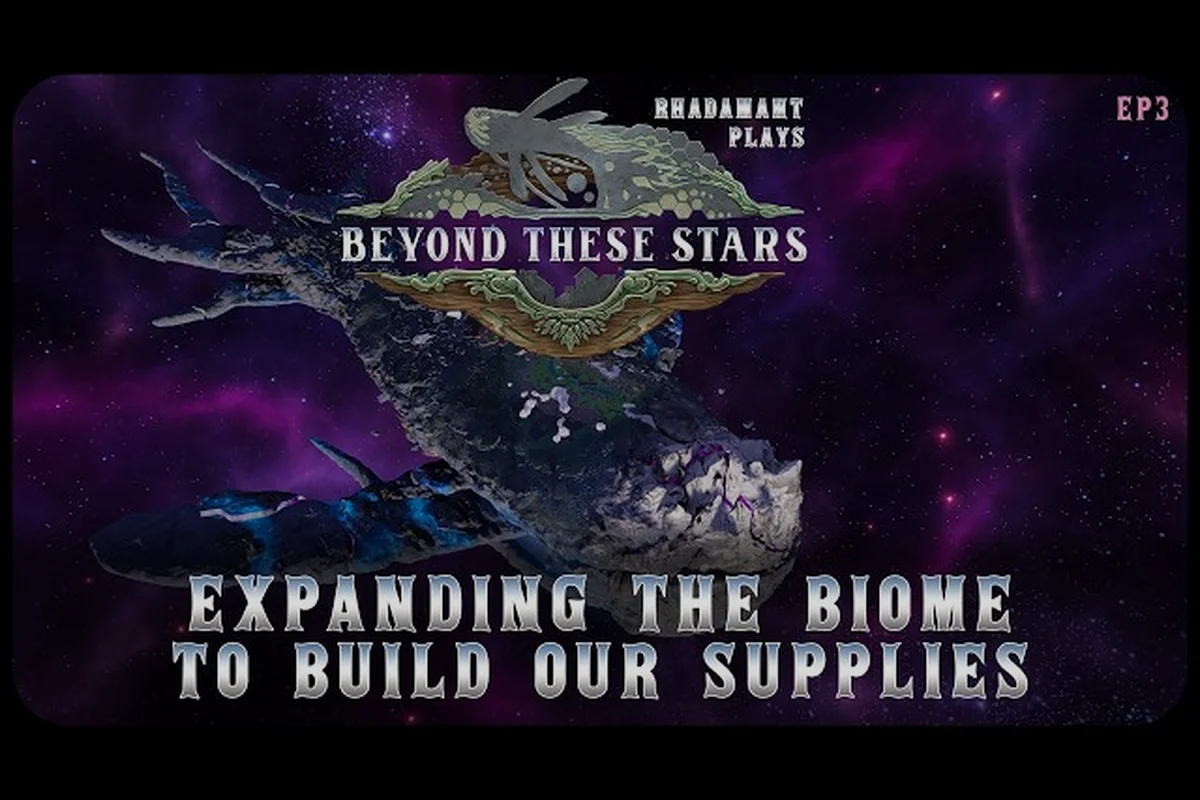
Kewa is a sentient space whale who carries your entire settlement across the galaxy in Beyond These Stars, and keeping the giant fed and content sits at the heart of the game loop. Kewa has their own health and happiness values, reacts to choices in dialogue, and quietly shifts the biome under your city whenever you pollute it. Understanding what Kewa eats, what the space whale voices sound like, and how pollution in your biome rewrites the menu is the first step toward one of the game's multiple endings. and quietly shifts the biome under your city whenever you pollute it. Understanding what Kewa eats, what the space whale voices sound like, and how pollution in your biome rewrites the menu is the first step toward one of the game's multiple endings, and our guide on what a space whale actually is in Beyond These Stars digs deeper into the creature you are slowly learning to feed.
Kewa's Diet, Biome, and Hunger Signals
Kewa feeds on a healthy biome rather than a literal shopping list, which is why the question of what Kewa eats is really a question about how clean and balanced your tile coverage is. The space whale pulls nourishment from forests, rivers, topsoil and the small life that grows when your Peeps don't smother everything in smog. When you let pollution build up or strip tiles bare, Kewa's wellbeing starts sliding long before any on-screen alert fires. According to the developer's Dev Blog #29, planting trees, minimising pollution and creating rivers are the three pillars that keep the biome — and Kewa — well fed. For the primary source, see the developer's news hub.
The Food Pyramid: From Clean Tiles to a Healthy Whale
The practical answer to "what does Kewa eat" breaks down into several interrelated layers that you can act on directly. The first is Forest Cover, because Tree Nursery plots and undisturbed groves feed the soil the whale walks through. The second is Soil Integrity, which depends on Terraforming actions like adding top soil and avoiding long stretches of bare earth. The third is Water Flow, since dug canals and rivers regenerate vegetation downstream. The fourth is Air Quality, which the Cleaner building supports by mixing Water and Chemicals while your Tree Nursery slowly absorbs residual smog. Dev Blog #29 frames these factors as the official path to a healthy biome, and a healthy biome is what Kewa actually consumes.
| Biome Layer | What Kewa Pulls From | Player Action | Building or Tool |
|---|---|---|---|
| Forest Cover | Tree growth, leaf litter | Plant trees in clusters | Tree Nursery |
| Soil Integrity | Living topsoil | Add soil, avoid over-paving | Terraforming tools |
| Water Flow | River-fed vegetation | Dig canals across dry tiles | Terraforming tools |
| Air Quality | Clean breathable atmosphere | Reduce emissions, scrub smog | Cleaner, Burner toggles |
You can hear the difference when Kewa is well fed. The space whale's soundscape shifts during calm stretches, and the player-facing feedback in Beyond These Stars leans on ambient audio as much as visible bars. Kewa voices content moods through soft, low-frequency calls, while hunger and discomfort produce sharper, more insistent tones. The developer has not published a literal list of every Kewa sound effect, but players who spend time near the whale's favourite tiles report that vocalisation rises whenever you clear a forest or stack industrial buildings on a single spot.
How Biome Pollution Rewrites the Menu
Pollution is the negative-space answer to what Kewa eats, because it replaces live tiles with poisoned ground. Dev Blog #29 describes pollution as the headline biome hazard, and the Cleaner building exists specifically to scrub it. When pollution climbs, Kewa effectively stops being able to graze, and the space whale's happiness bar drops in response. This is also where pollution links directly into one of the game's endings, because the worst endings involve driving the whale into sustained misery or settling the galaxy in a way the lore treats as a failure state.
| Pollution Level | Kewa's Effective Diet | Visible Consequence | Recommended Response |
|---|---|---|---|
| Low | Forests, rivers, soil | Calm sounds, stable happiness | Maintain Tree Nursery output |
| Moderate | Patches of clean tile left | Louder Kewa calls, slight mood dip | Add Cleaners, rotate Burner settings |
| High | Almost nothing edible | Restless whale, happiness falling | Pause industrial expansion |
| Critical | Polluted tiles only | Emergency travel triggers, hostility | Relocate polluting buildings to outposts |
The galaxy itself changes what Kewa can eat, because a hot galaxy drags the space whale's happiness down no matter how clean the biome stays. Dev Blog #29 is explicit that extreme heat forces Kewa into emergency travel toward something cold, which is the same trigger that pushes you toward settling new planets and building outposts. The takeaway is that pollution is a local problem while temperature is a regional one, and a fed Kewa needs both axes balanced.
Kewa Voice, Sounds, and the Personality Behind the Whale
Kewa is a voiced character, not just a scenery prop, and the space whale's personality is one of the strongest hooks in Beyond These Stars. The press kit credits list Tuki Laumea on voiceover alongside the named cast, and the developer positions Kewa as a thinking being with their own opinions. Every dialogue choice nudges Kewa's happiness up or down, and the soundscape reflects that mood in real time. The official Beginner Guide covers caring for Kewa in the same breath as managing your Peeps, which signals how central the whale is to the moment-to-moment game.
Kewa Sounds: What Each Mood Tells You
The question of what the space whale sounds like has a partial official answer. The game mixes ambience, low rumbles, and a few specific vocalisations tied to the happiness meter. The developer has not published an exhaustive catalogue of Kewa sounds, but the in-game audio design follows a clear logic. Content Kewa emits soft, slow calls that players describe as whale-song-adjacent, while hungry or unhappy Kewa shifts to sharper, higher-pitched and more frequent pulses. During emergency travel the audio changes again, with a deeper, more anxious tone that players have flagged as the trigger to act.
| Kewa Mood | Typical Sound | Likely Trigger | Player Response |
|---|---|---|---|
| Content | Soft, slow low-frequency calls | Healthy biome, full forests | Keep current pace |
| Curious | Mid-range pulses, short intervals | New dialogue option | Talk to Kewa via Solar System View |
| Hungry | Sharper, faster pulses | Pollution climbing, heat wave | Deploy Cleaners, add Tree Nursery plots |
| Unhappy | High-pitched, insistent calls | Repeated low-happiness choices | Apologise, fix root cause |
| Emergency | Deep anxious rumble, long calls | Hot galaxy threshold | Support emergency travel, prepare Settlement Ship |
The Kewa voice work also ties into the broader cast, because the named characters — Baz the Wanderer, Jose, Ublo, Matilda, Kieran, Jerry, N'Orva and Lottie — appear in dialogue scenes that shape how Kewa feels. The press kit lists the actor pairings, so you can tell which human Peep and alien voices share screen time with the whale. When Ublo the cheeky alien is on comms, expect Kewa to react in-character rather than passively, and that audio shift is part of the joy of the late game.
Kewa Wants, Dialogue, and Relationship Choices
Kewa's needs show up in a few different ways, and reading them correctly is the difference between a thriving whale and a whale that drags the entire settlement into one of the harsher endings. The most obvious signal is the happiness bar in the Solar System View, but the developer layers extra depth on top of that number. Kewa holds wants that unlock through conversation, and meeting those wants is how you build a long-term relationship instead of a temporary truce. The dialogue system leans on choices, and your selection either nudges Kewa's mood up, holds it steady, or quietly drops it.
| Kewa Interaction | Effect on Happiness | Effect on Story | Notes |
|---|---|---|---|
| First conversation | Unlocks Solar System View | Reveals early galaxy map nodes | Mandatory early step |
| Fulfilled want | Strong positive bump | Unlocks hidden biome perks | Wants tie to current biome state |
| Refused want | Mild negative dip | Flags the choice in journal | Sometimes reversible later |
| Apology after a dip | Partial recovery | Restores baseline mood | Cheaper than waiting it out |
| Long streak of care | Sustained happiness buff | Pushes toward the good endings | Compounds over many shifts |
Players who ignore Kewa for several shifts report a noticeable escalation in the audio cues, and the late game is designed so that an unhappy Kewa actively interferes with the smooth running of your city. The cleaner the biome, the more forgiving Kewa becomes about the occasional mistake, which is why the answer to the pollution question is always "address it now, not after the next crisis".
Biome Pollution, Cleaners, and the Long Game
Pollution is the single biggest threat to Kewa's diet, and the game gives you two complementary tools to manage it. The direct approach is the Cleaner building, where Peeps mix Water and Chemicals to scrub smog out of the air. The indirect approach is the Tree Nursery, which slowly pulls carbon and other pollutants out of the biome over time. Dev Blog #29 frames pollution as a system you manage rather than a bar you ignore, and the game rewards players who combine both tools instead of leaning on one.
Direct vs Indirect Pollution Management
The two approaches are not interchangeable, and the difference matters once your settlement crosses a few hundred Peeps. Cleaners are fast and predictable, which makes them ideal for crisis response when pollution spikes after a big industrial push. Tree Nurseries are slow but permanent, and a healthy forest cover can hold pollution down even when you briefly push your Burner past its normal workload. The Kitchen, Pasture, Trawler and Composting buildings all contribute to the resource churn that ultimately affects the biome, and ignoring them for too long is how a thriving city slowly starves its whale.
| Tool | Speed | Cost Profile | Best Use Case |
|---|---|---|---|
| Cleaner | Fast | Water + Chemicals per shift | Crisis response, emergency scrub |
| Tree Nursery | Slow | Long-term tile investment | Permanent reduction, happy Kewa |
| Burner (set to Wood) | Variable | Wood resource | Stagger pollution load across shifts |
| Outpost relocation | Instant relief | Ships + Landing Pad slots | Moving heavy industry off-whale |
Outpost relocation is the third lever, and the developer encourages it in Dev Blog #28 by pointing out that outposts on nearby planets supplement what Kewa cannot supply. If a particular industry is choking the whale, moving the most polluting buildings to an outpost planet is a clean way to keep the supply chain running without punishing your space whale.
Pollution, Endings, and the Stakes of a Fed Kewa
Endings in Beyond These Stars are not locked behind a single binary choice, and the way you treat Kewa is one of the strongest narrative signals. A consistently well-fed, content whale pushes the settlement toward endings the developer treats as positive, while sustained pollution and ignored dialogue push you toward harsher outcomes. The developer has not published the exact threshold values for each ending, but the gameplay loop is built so that biome health and Kewa happiness both matter, and starving the whale closes doors that would otherwise stay open.
| Settlement Style | Likely Outcome | Kewa's State | Pollution Profile |
|---|---|---|---|
| Balanced forests, low emissions | Good ending | Content | Low |
| Heavy industry, sparse trees | Mixed ending | Restless | Moderate |
| Polluted biome, ignored dialogue | Bad ending | Unhappy | High |
| Outpost-heavy, whale-light | Neutral ending | Stable | Low on Kewa, higher on planets |
One common player question is whether you can save a starving Kewa by ignoring the whale and focusing on outposts instead, and the answer is that the outposts are designed to supplement rather than replace the whale. The Peeps still live on Kewa's back, and the whale still moves the entire settlement through the galaxy. The most successful runs treat Kewa as a long-term partner rather than a transport, and the developer has structured the resource flow around that idea.
Common Mistakes When Feeding Kewa
A few recurring mistakes show up in early play, and avoiding them is faster than recovering from them. The first is treating Kewa's happiness as a number to manage in isolation, because the happiness bar responds to biome state, dialogue, and galaxy temperature all at once. The second is over-relying on the Cleaner, which scrubs smog but does not plant anything new, so a city of nothing-but-cleaners slowly starves the soil. The third is dumping every polluting industry directly on Kewa, which Dev Blog #28 explicitly addresses by encouraging outpost relocation. The fourth is ignoring Kewa wants because the alert is easy to miss, and missing a want for too long can lock you out of a dialogue tree that would otherwise have unlocked a useful perk.
| Mistake | Why It Hurts Kewa | Better Habit |
|---|---|---|
| Cleaners without Tree Nursery | Scrubs air, starves soil | Pair both buildings |
| Burning Wood in every shift | Adds avoidable pollution | Toggle Burner only when needed |
| Keeping heavy industry on-whale | Cumulative smog | Move to outposts on planets |
| Skipping Kewa wants | Unseen happiness loss | Check Solar System View each shift |
| Ignoring galaxy temperature | Emergency travel triggers | Track hot-galaxy warnings early |
Players who internalise these habits early find that Kewa's mood stays in a comfortable band, and the rest of the city runs smoother as a result. The space whale rewards consistent care more than crisis management, which is a deliberate design choice from Balancing Monkey Games.
How Kewa Compares to the Space Whale in Before We Leave
Kewa is a direct successor to the space whale from Before We Leave, the developer's previous city builder, but the two are not the same creature mechanically. Both games feature a giant whale carrying your Peeps, but Beyond These Stars layers in dialogue, wants, and a happiness meter that the earlier title never needed. Peeps carry over as a thematic thread, but the two games have separate mechanics, separate store pages, and separate progression systems. If you played Before We Leave and expect a simple transport, Beyond These Stars will surprise you with how much personality Kewa brings.
| Feature | Before We Leave | Beyond These Stars |
|---|---|---|
| Whale role | Transport | Transport + character |
| Dialogue system | None | Choice-based, affects happiness |
| Biome focus | Light | Major system, tied to pollution |
| Galaxy map | Absent | Partially visible, unlocks over time |
| Outposts | None | Supplement whale-only supply |
The shift in scope is part of why the question of what Kewa eats matters so much in this game. The whale is no longer a backdrop. The whale is a partner whose mood you actively manage, and the game's good endings reward players who treat them that way.
Practical Checklist: Keeping Kewa Fed and Happy
A short checklist helps turn the advice above into a routine you can repeat every few shifts. The list is intentionally simple, because the deepest Kewa runs in Beyond These Stars are built on small repeated actions rather than dramatic last-minute saves.
-
Plant trees in clusters through the Tree Nursery to keep forest cover above the danger line.
-
Pair every Cleaner with at least one Tree Nursery plot so pollution is both scrubbed and absorbed.
-
Toggle the Burner between Wood and idle modes to stagger pollution spikes across shifts.
-
Relocate heavy industry to outposts on nearby planets whenever the local biome starts to grey out.
-
Open the Solar System View every few shifts to check Kewa's mood and any pending wants.
-
Avoid stacking polluting buildings in a single block, because adjacency bonuses matter and clustered smog is harder to clean up.
-
Track galaxy temperature warnings, because a hot galaxy drags Kewa's happiness down no matter how clean the biome is.
-
When Kewa sounds restless, treat it as a signal to check both biome and dialogue history before assuming it is just a temporary dip.
-
Support emergency travel when it triggers, because the alternative is a much harsher chain of events.
-
Keep at least one Landing Pad free for the Settlement Ship, because the developer does not let the player build that ship directly.
The checklist is not exhaustive, but it covers the actions the developer has documented across Dev Blogs #22, #25, #27, #28 and #29. A player who runs through it every ten shifts will rarely see Kewa drop into the unhappy zone, and that stability is what unlocks the best endings in the game.
Frequently Asked Questions
What does Kewa eat in Beyond These Stars?
Kewa feeds on a healthy biome rather than a literal food item. Forests, rivers, topsoil and clean air all nourish the space whale, so the practical answer is to plant trees, dig canals, add top soil and scrub pollution with the Cleaner building. The developer describes this in Dev Blog #29 as the official path to keeping the biome fed.
How do Kewa sounds hint at mood?
The space whale uses audio cues as a mood layer, and the sound design leans on the happiness meter rather than a fixed catalogue. Content Kewa makes soft low-frequency calls, hungry Kewa makes sharper faster pulses, and emergency travel triggers a deeper anxious rumble. The developer has not published a full list of Kewa sounds, but the in-game audio is designed to telegraph mood clearly.
Who voices Kewa?
Tuki Laumea is credited on voiceover in the official press kit, alongside the named human and alien cast. Kewa is treated as a character with dialogue choices, which is why the voice work matters even though the whale is a setting-scale creature.
Does pollution change what Kewa eats?
Yes. Pollution replaces live tiles with poisoned ground, which means Kewa effectively has nothing to graze on when smog climbs. The Cleaner scrubs smog directly, while the Tree Nursery slowly absorbs residual pollution. Moving heavy industry to outposts on nearby planets is the third lever, and Dev Blog #28 encourages that approach.
Do Kewa choices affect the endings?
Yes. A consistently well-fed Kewa and clean biome push the settlement toward the endings the developer treats as positive, while sustained pollution and ignored dialogue push toward harsher outcomes. The exact threshold numbers have not been published, but the gameplay loop is built so that biome health and Kewa happiness both matter.