
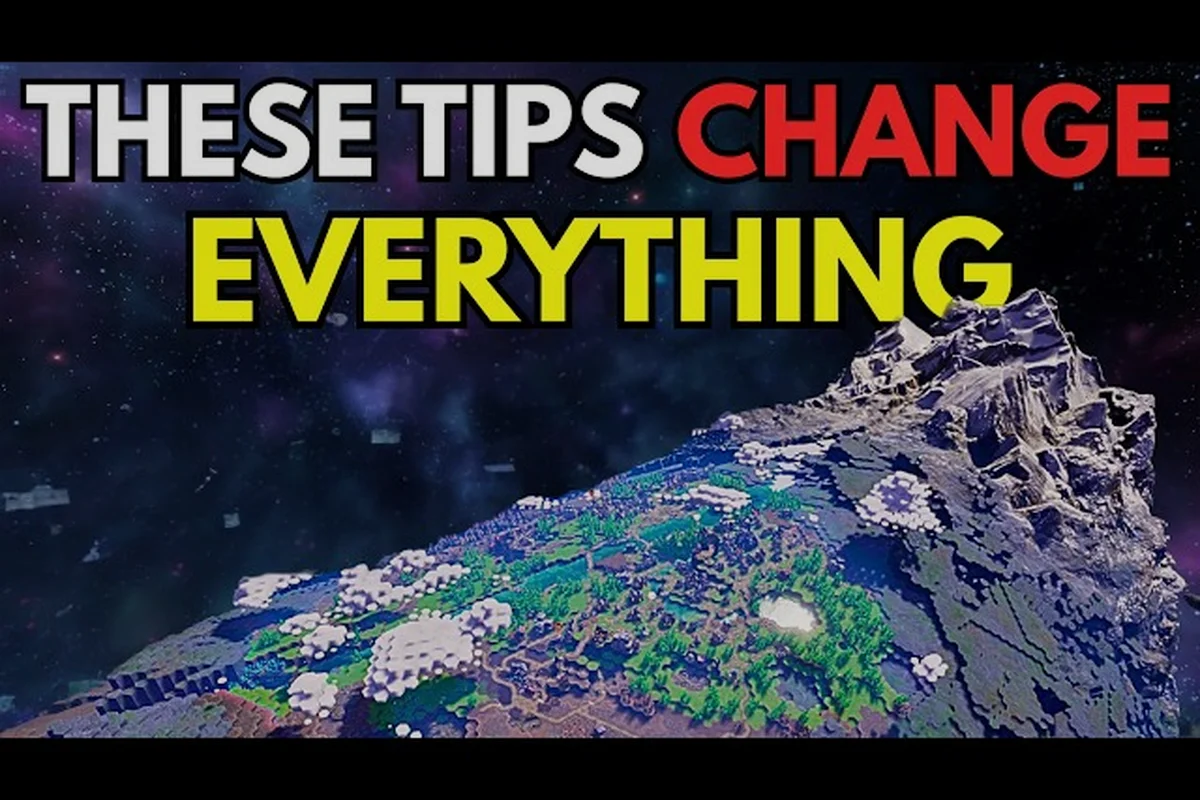
Picking research nodes in the wrong order is the fastest way to stall a colony on Kewa's back, and a tuned order turns an early settlement into a self-sustaining city before the galaxy map even opens up. Because the tech tree gates everything from the Cleaner and the Burner to Space Ports and Advanced Goods, the sequence you pick directly determines whether your Peeps thrive or strike. The right approach also shifts with the difficulty settings you chose at launch, which is why a single universal order does not exist. For the primary source, see Steam Community guides.
How the Beyond These Stars Research System Works
The research tree in Beyond These Stars is a single progression layer that sits between your raw production lines and the buildings, perks, and advanced goods that make a settlement actually work. According to the developer's own beginner guide, technology and perks are core systems that every player has to engage with, and the official news hub lists research and technology as one of the foundational pillars the studio has been writing about since Dev Blog #22. Unlocking the tree costs time, not a discrete currency, which means your real resource is what your Peeps are doing in the meantime.
What research actually unlocks
Research nodes in this game are not just stat boosts. They gate entire production lines, building categories, and gameplay systems. From what the developer has published, the tree covers the production chains behind the Kitchen, the Pasture, the Weaver, the Tailor, the Cleaner, the Burner, the Trawler, the Composting building, and the spaceships built at the Spaceship Builder. It also gates the Advanced Goods category, which the developer has not yet broken down in terms of inputs, so players currently experience it as a research-flagged output rather than a known recipe.
| System tier | What it gates | Visible in-game impact |
|---|---|---|
| Tier 1 — Survival | Kitchen, basic food chains, early housing upgrades | Stops early sickness waves and Peep starvation |
| Tier 2 — Industry | Pasture, Weaver, Tailor, Burner | Clothing for cold/warm biomes and waste recycling |
| Tier 3 — Environment | Cleaner, Tree Nursery, terraforming helpers | Pollution control and biome health recovery |
| Tier 4 — Logistics | Landing Pad, Space Port, Scout Ship routes | Galaxy map traversal and outpost support |
| Tier 5 — Advanced | Spaceship Builder, Advanced Goods, late perks | Endgame loops and settlement shipping |
This tiered layout is the reason a best research order exists. The nodes form a dependency graph, and the cheapest mistakes come from researching something visually exciting at the top of the tree when a low-cost node two tiers down would have unblocked your entire economy an hour earlier.
Why difficulty changes the order
Difficulty settings in Beyond These Stars do not just rescale numbers; they change the urgency of every system in the game. The Beyond These Stars difficulty guide approach to setting selection comes down to which pressure cooker you are willing to live inside, because the same research order that is optimal on a relaxed setting can be punishing on the hardest one. Strikes, for example, only matter once your Peeps have enough production to feel the slowdown, so the order that defers strike-related tech on an easy run becomes a priority on a hard run.
The Difficulty Settings and What They Demand From Your Research
The launch build ships with a configurable difficulty panel, and the choices you make there re-prioritize the entire research order. The developer has not published the exact internal multipliers, but the types of pressure each setting changes are documented in the official beginner guide and across the Dev Blog series. The right research order on Story Mode is a forgiving, economy-first sequence, while the right order on harder settings front-loads defensive and environmental tech.
Pressure points by difficulty tier
| Setting flavor | Main pressure on the player | Research priority shift |
|---|---|---|
| Relaxed / Story | Population growth and narrative pacing | Push industry and aesthetics; environment tech can wait |
| Standard | Balanced Peep needs and resource chains | Classic economy-first order with light environment coverage |
| Hard | Faster strikes, harsher sickness, tighter resources | Front-load Cleaner, Burner, and Apothecary research |
| Sandbox (custom) | Whatever the player set at world creation | Player-chosen, often mimicking Standard or Hard |
On a hard run, the research order starts to look less like a wishlist and more like a triage list. You race the Cleaner tech because Dev Blog #29 confirms that minimising pollution and creating rivers keeps the biome healthy, and Kewa's own happiness is tied to galaxy temperature, which is something you can only fight indirectly through research. On an easy run you can afford to ignore that branch for an in-game season or two, which lets you grab the prettier perks first.
How the galaxy map fits in
The Galaxy Map unlocks gradually, and the developer describes it in Dev Blog #28 as partially visible at first, with nodes that can hold barren planets, space junk, strange objects, trade stations, and aliens. Research into Space Ports, Landing Pads, and the Spaceship Builder is what lets you actually reach those nodes, which means a research order that delays logistics tech will also delay your first contact with the Neutral Sector. If a difficulty setting pushes the map to reveal faster, the order has to compensate by pulling logistics research forward.
Beyond These Stars Best Research Order on Standard Difficulty
The standard difficulty order is the one most players will actually use, because it is the implicit baseline the developer tuned the campaign around. It assumes that Peeps will strike if you ignore them, that sickness will spike when energy drops, and that you have time to set up terraforming before the biome health drops too far. The order below is structured in five phases, each phase representing roughly one in-game shift of research, though the developer has not published exact durations for any individual node.
Phase 1 — Survival foundations
| Phase | Recommended research focus | Why it comes first |
|---|---|---|
| 1 | Kitchen, basic food production | Stops the earliest starvation failure state |
| 1 | Apothecary tech | Sickness chance rises when Peep energy is low (Dev Blog #25) |
| 1 | Peep wellbeing baseline perks | Stabilises shifts before you scale population |
The opening phase exists to make sure your Peeps survive long enough to need everything else. The Apothecary is named explicitly in the verified building list, and Dev Blog #25 ties sickness to energy loss at the start of a shift, so the Apothecary research has to land before your workforce scales up. Without this phase, every later research pick is wasted because you are constantly rebuilding the same Peeps.
Phase 2 — Industry and clothing
| Phase | Recommended research focus | Why it comes first |
|---|---|---|
| 2 | Pasture, Cotton seeds, Wool chain | Unlocks Cold Weather and Warm Weather Clothing inputs |
| 2 | Weaver and Tailor | Produces the clothing that keeps Peeps working across biomes |
| 2 | Burner | Consumes Wood and turns waste into something useful |
Once your Peeps are alive, they need to be dressed for the biome they are standing on. The Tailor is in the verified buildings list and is the only building that produces the Cold Weather and Warm Weather Clothing items, and those items are the only thing standing between your Peeps and a slow productivity drain in extreme biomes. The Burner slots in here because it consumes the Wood resource, which is otherwise piling up and creating Wood Waste.
Phase 3 — Environment and biome health
| Phase | Recommended research focus | Why it comes first |
|---|---|---|
| 3 | Cleaner (Water + Chemicals pollution mix) | Direct response to Pollution per Dev Blog #29 |
| 3 | Tree Nursery and forest maintenance | Indirect Pollution reduction |
| 3 | Terraforming helpers and top soil work | Long-term biome health recovery |
The third phase is where Beyond These Stars mechanics explained actually start to overlap with the difficulty guide, because the environment tree is the one that looks optional until it suddenly is not. Dev Blog #29 is clear that pollution and a sick biome pull Kewa's happiness down, and once Kewa is unhappy, you are looking at emergency travel or worse. The Cleaner is the direct counter, and the Tree Nursery is the indirect one, but you need research into both to actually place them.
Phase 4 — Logistics and space
| Phase | Recommended research focus | Why it comes first |
|---|---|---|
| 4 | Landing Pad (required for any ship) | Without it, ships cannot land on Kewa |
| 4 | Space Port | Holds up to four Landing Pads and routes ships between ports |
| 4 | Scout Ship upgrades | Lets Jose investigate nodes on the Galaxy Map |
The fourth phase is the one most beginners skip or delay, and it is also the one that decides whether you ever leave Kewa's back. The developer is explicit that space ships cannot land on Kewa without a Landing Pad, and the Space Port is what lets ships shuttle between ports. Until you research this branch, the Galaxy Map is essentially decorative. Many of the Beyond These Stars beginner tips cluster around this exact moment, because the first time the Scout Ship cannot dock is also the first time most players realise research was a logistics problem all along.
Phase 5 — Advanced goods and endgame
| Phase | Recommended research focus | Why it comes first |
|---|---|---|
| 5 | Spaceship Builder | The only place player-built ships come from |
| 5 | Advanced Goods category | The first research-flagged output with unknown inputs |
| 5 | Late perks and celebrations upgrades | Celebrations require enough Peeps at high happiness to fire |
The final phase is mostly about wrapping up the systems you ignored in phases one through four. The Spaceship Builder is the only way to produce the player-built ships, and the Settlement Ship that you use to colonise nearby planets is not built by the player at all. Advanced Goods slot in here because the developer has not published what they are made from, so it is wise to leave that branch until your other production lines are stable enough to absorb an unknown input.
Adjusting the Research Order for Hard and Relaxed Settings
The standard order above is a balanced default, but the same five phases bend in different directions depending on which difficulty you actually picked. The goal is not to invent a brand new order every time, but to shift the breakpoints between phases so that the first two or three phases match the pressure you are under.
Hard difficulty — compress and defend
On hard settings, the order collapses phases one through three into a single defensive sprint. The Cleaner and the Burner move up next to the Kitchen and the Apothecary, because you cannot afford to wait two in-game shifts for a sickness spike to clear. The first strike in Dev Blog #23 is documented to last three shifts, and that is on top of a sickness curve that Dev Blog #25 says is worst at the start of a shift, so the early game becomes a race to get every defensive building researched before the second Peep generation arrives.
The same compression also pulls the Tree Nursery forward, because the indirect pollution reduction it offers is the only thing keeping biome health from collapsing before your Cleaner tech finishes researching. The Spaceship Builder and the Advanced Goods branch can then be delayed to a sixth phase, because the hard setting is rarely about exploring the galaxy quickly. It is about surviving long enough to see the galaxy at all.
Relaxed and Story Mode — explore and celebrate
On relaxed and Story settings, the order stretches in the other direction. The Cleaner and the Burner can slip back into phase three or even phase four, because pollution and Wood accumulation are slow problems on easy settings. In their place, you can pull perks that improve Celebrations, which Dev Blog #22 ties to a high happiness threshold being passed by enough Peeps in one location. Celebrations grant production, movement, and sickness bonuses, and on relaxed settings they are a luxury that pays for itself in happiness.
The same relaxation also makes the Advanced Goods branch less stressful, because you are not trying to race a multiplier. The Settlement Ship is still not player-built, so you will need the Spaceship Builder to colonise, but the urgency is lower. Story Mode is also the difficulty the developer recommends playing first, which is why the standard order above is essentially the Story order with the first three phases slightly tightened.
Sandbox Mode — build your own order
Sandbox Mode is documented in Dev Blog #27 as letting you choose which resources, water distribution, terrain, planets, and other parameters are active. That means the research order is a function of what you turned on, not a single sequence. If you turn off the Trawler resource, you can skip Shell research entirely. If you turn on harsher temperature swings, Kewa dialogue and biome health research jump to the top. The Beyond These Stars research priority logic still applies, but the priorities themselves are player-chosen.
Practical Tips for Sticking to the Research Order
Even a perfect order fails if the player lets it slip. Research in Beyond These Stars takes real in-game time, and every shift you spend researching the wrong node is a shift your Peeps spend understaffed, underclothed, or underfed. The tips below are drawn from the official beginner guide and the documented mechanics in the Dev Blog series, and they are designed to keep your order on track even when the city around it is on fire.
Tips that protect the early order
-
Research before you build, not after. A building that cannot be placed because its tech is not done wastes a work shift. Check the research tree before assigning Peeps to a new construction.
-
Pair the Kitchen with the Apothecary. They are both early-game survival tech, and researching them back-to-back prevents the sickness curve from spiking between unlocks.
-
Defer spaceship aesthetics. Cosmetic perks look tempting, but they do not gate any verified building. Save them for the late phases.
-
Watch the Galaxy Map, not the research list. The map tells you when logistics tech is urgent, because new nodes will not be reachable until you have a Landing Pad and a Space Port researched.
-
Use the Home Spaceship early. It is named in the verified entity list as the building that slowly produces what your first Peeps need, so its tech is a hidden phase-zero prerequisite.
-
Treat the Tree Nursery as defense. On hard settings, plant trees before you research the Cleaner, because every tree is a Pollution tile the Cleaner will not have to handle later.
-
Save Advanced Goods for last. The developer has not published the inputs, so researching the branch before your base economy is stable is gambling on an unknown recipe.
Common mistakes that break the order
The most common research mistake in Beyond These Stars is chasing perks that look powerful but do not gate any verified building or production line. The second most common is researching the Spaceship Builder before the Landing Pad, which leaves you with ships that have nowhere to dock. The third is delaying the Cleaner so long that biome health collapses and Kewa's happiness drags down the entire settlement, which Dev Blog #29 is explicit about. None of these are recoverable by re-rolling, which is why the order matters more than the individual node picks.
Another mistake is treating Story Mode and Sandbox as the same game. Dev Blog #27 lists the Sandbox settings you can toggle, including water distribution and terrain, and the Beyond These Stars mechanics explained approach to research is going to be very different in a Sandbox world where you turned off the Shell resource entirely. The order has to match the world, not the marketing pitch.
Frequently Asked Questions
What is the best research order for a first playthrough of Beyond These Stars?
On Standard and Story Mode, the best order is Kitchen and Apothecary first, then Pasture, Weaver, Tailor, and Burner, then Cleaner, Tree Nursery, and terraforming helpers, followed by Landing Pad, Space Port, and Scout Ship upgrades, with the Spaceship Builder and Advanced Goods last. This sequence matches the dependency chain the developer has documented in the verified building list and the Dev Blog series, and it keeps every phase's outputs feeding the next phase's inputs.
Does difficulty change the research order in Beyond These Stars?
Yes. On hard settings you compress the first three phases so that the Cleaner, Burner, and Apothecary are researched almost together, because sickness, strikes, and pollution spikes happen faster. On relaxed and Story Mode you can defer environment tech and pull celebrations and perk upgrades forward. The five-phase structure stays the same, but the breakpoints between phases shift with the setting you picked at launch.
What is the most commonly skipped research node?
The Tree Nursery is the most commonly skipped node on easy settings, because its pollution reduction is indirect and slow. Skipping it is fine on a relaxed run, but it becomes a major liability on hard settings where biome health collapses faster. The Cleaner gets all the attention, but the Tree Nursery is what keeps the Cleaner's workload from spiralling out of control.
Should I research the Spaceship Builder or the Landing Pad first?
The Landing Pad always comes first. The developer is explicit that space ships cannot land on Kewa without a Landing Pad, and the Space Port holds up to four of them. Researching the Spaceship Builder first leaves you with ships you cannot dock, and the Settlement Ship that you use to colonise is not player-built anyway, so there is no reason to rush the builder before the dock is ready.
Is the Advanced Goods research worth rushing?
No. The developer has not published what Advanced Goods are made from or in which building, so rushing the research leaves you with an output you cannot yet produce. It is best to leave the Advanced Goods branch until your base economy is stable and your logistics are running, which on a standard run is phase five. Treat it as a late-game payoff rather than a mid-game priority.